




Liberia has agreed to accept up to 1,200 third-country deportees from the United States. It is one of the largest arrangements of its kind under Washington’s ongoing immigration crackdown.
Information Minister Jerolinmek Piah confirmed the deal at a briefing in Monrovia on Tuesday. He said the deportees to Liberia will arrive in batches over the next year. The first group of 20 people is due on Thursday.
According to Piah, the deportees to Liberia are not limited to Liberian nationals or even Africans. The list includes people from North America, South America and the Caribbean too. This places Liberia among a small group of African nations accepting deportees with no personal or ancestral ties to the country.
Justice Minister Natu Oswald Tweh told reporters that Liberian authorities had already screened the list before the arrivals begin. He described most of those on it as people with immigration violations rather than serious criminal records. Tweh said the screening was meant to reassure the public that the process was orderly.
Piah added that those affected will not be held against their will once they land. He said deportees to Liberia may apply for asylum locally if they choose to. They can also leave the country whenever they wish. That flexibility, he argued, sets the arrangement apart from stricter detention-based deportation schemes elsewhere.
The government has framed the decision to receive deportees to Liberia as a humanitarian gesture rather than a political favour to Washington. Piah told journalists the move fits the country’s long tradition of offering refuge. He pointed to Liberia’s history of hosting displaced people from neighbouring West African states during past regional conflicts.
Officials confirmed that the United States will provide financial and logistical support. The support is meant to help Liberia manage the new arrivals and strengthen its wider migration system. No figure has been attached to that support so far. It remains unclear how the funding will be structured or monitored.
This agreement fits a broader pattern of deportees to Liberia and other nations being resettled far from home. The current US administration has sent thousands of migrants to nearly two dozen countries that are not their own, according to NPR. Many of those deals were negotiated quietly. Roughly ten of those destinations are in Africa. Rwanda, Eswatini and South Sudan have taken part in similar arrangements in recent months.
Immigration lawyers have raised concerns about the wider pattern. They argue some third-country deportations return asylum seekers to conditions they originally fled, only through an indirect route. The Washington Post has reported that advocates worry the lack of transparency makes it hard to track what happens to people once they arrive.
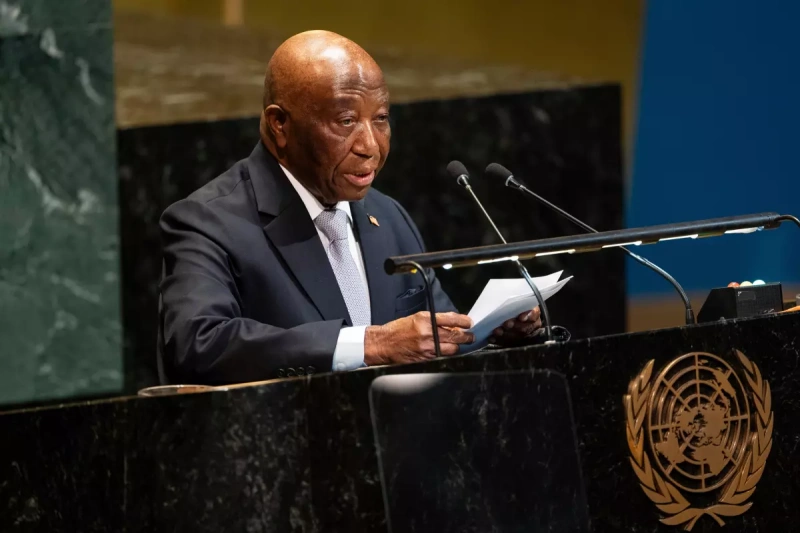
President Joseph Boakai has not personally addressed the latest figures. His government has generally sought closer ties with Washington since he took office. Analysts in Monrovia say hosting deportees to Liberia could help the administration secure goodwill and investment from the United States. That calculation, though, draws criticism from rights groups at home who worry the plan for deportees to Liberia was agreed with little public debate.
For now, the focus is logistical. Liberian officials must prepare housing, documentation and support services for the first arrivals this week. Hundreds more are due to follow over the coming months. How smoothly that rollout goes may decide whether the public views the deal as genuine humanitarianism or a quiet concession to a far larger power.


