



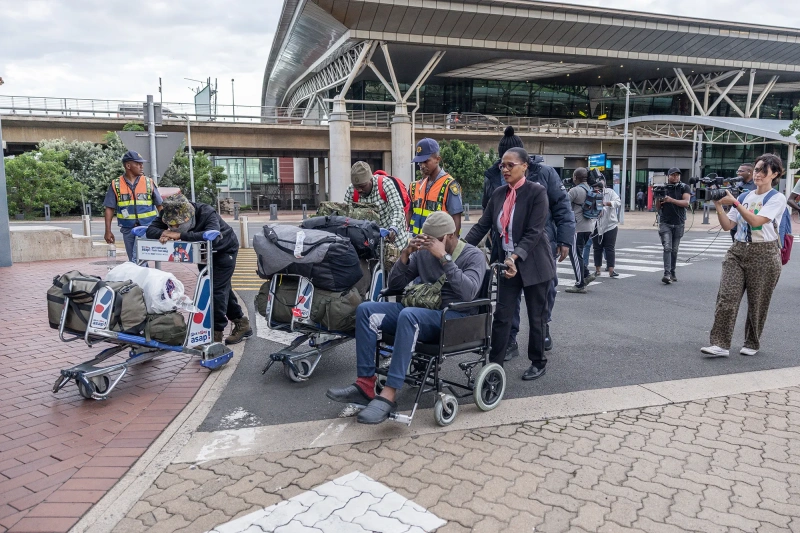

Botswana has intercepted eight citizens on their way into Russian military recruitment. They were stopped at airports in Gaborone, South Africa and Ethiopia before they could be flown onward.
International Relations Minister Phenyo Butale confirmed the rescues to parliament this week. He said recruiters had dressed up Russian military recruitment as ordinary work abroad.
The eight had been promised jobs, training or security contracts overseas. They only discovered the real purpose of the arrangement after they had already left home, Butale told lawmakers.
Botswana has now identified about 22 citizens targeted by the same recruitment networks. Officials stress that fighting for a foreign army remains a criminal offence under Botswana law. Anyone who reaches the front line faces legal risk on top of the danger of combat.
The interceptions build on a warning Gaborone issued in July. The Ministry of International Relations said then that Batswana were being misled into Russian military recruitment at an “alarming rate”. It added that its capacity to help citizens already inside Russia was extremely limited.
Botswana is far from alone. Ghana’s death toll linked to Russian military recruitment has climbed to 62, with another 15 citizens missing. That is up from 55 deaths reported in February.
Foreign Affairs Minister Samuel Okudzeto Ablakwa raised the toll during talks in Moscow this month. His Russian counterpart, Sergei Lavrov, agreed to work with Accra to end what Ghana calls the illegal recruitment of its citizens.
Kenya has felt similar pressure. A National Intelligence Service report put the number of Kenyans drawn into Russian military recruitment at around 1,000. Prosecutors have separately charged a recruitment agency boss with luring 22 Kenyans to a Nairobi apartment. Three of those affected had already travelled on and returned home wounded.
Foreign Secretary Musalia Mudavadi has reminded citizens that unauthorised foreign enlistment carries a prison term of up to ten years. This applies even where recruits were drawn in by sign-on bonuses reported at roughly 3 million shillings.
Zimbabwe and South Africa have also opened prosecutions tied to Russian military recruitment networks operating on their soil. Geneva-based monitor Inpact has traced at least 1,417 Africans recruited between January 2023 and September 2025. They came from Nigeria, Ghana, Kenya, Uganda and South Africa, among other countries. At least 316 have been killed.
What often gets left out of the coverage is that deception is only half the story. Many young people who board these flights already sense the risk. They travel anyway, because the alternative at home is no job at all.
Botswana’s own government has called youth unemployment a national emergency. A UNDP-backed report this year put joblessness among 18 to 24 year olds at 55.6 per cent. Young women were worst affected.
Similar pressures sit behind the numbers coming out of Ghana, Kenya and Zimbabwe. Graduates with real qualifications still cannot find steady work at home.
That gap between ambition and opportunity is where Russian military recruitment finds its recruits. It says as much about governance at home as it does about Moscow’s tactics abroad. Job creation features in nearly every African election manifesto, yet the queues for a way out keep growing.
Until that changes, warnings from ministries and arrests of recruiters will only slow the pipeline. They will not close it. Families will keep weighing offers they suspect might not be what they seem, because at home the maths rarely favours staying put.


