Expulsion ultimatums, sealed borders and electricity threats mark an escalating SADC response to xenophobic attacks in South Africa.
A Crisis Sparked by Violence
A surge of anti-migrant violence in South Africa has set off the most serious diplomatic confrontation the Southern African Development Community has faced in years.
South African vigilante groups carried out targeted attacks on foreign nationals in Pretoria and Johannesburg, between 27 and 29 April 2026. The African Commission on Human and Peoples’ Rights confirmed the violence, noting that migrants were targeted over legal status and alleged competition for jobs.
At least two Nigerian nationals were killed. One died in Pretoria. The other sustained fatal injuries reportedly involving military personnel in Port Elizabeth.
Nigeria and Ghana Summon South African Envoys
The killings triggered immediate diplomatic responses from West Africa.
Nigeria and Ghana both formally summoned South African ambassadors to their capitals, demanding accountability for what they described as “carnage and targeted killings” of their citizens.
Nigeria went further. By 3 May 2026, the country had facilitated the voluntary evacuation of more than 130 of its nationals from South Africa, according to diplomatic sources tracking the situation.
Tanzania Issues 48-Hour Expulsion Notice
The SADC response to xenophobic attacks sharpened dramatically when Tanzania moved from diplomatic protest to outright expulsion.
According to reports first published by Vanguard and regional correspondents on May 6, 2026, President Samia Suluhu Hassan is said to have issued a 48-hour ultimatum ordering South African citizens to leave Tanzania, alongside a reported suspension of air and maritime trade.
The Tanzanian Ministry of Foreign Affairs had initially played down the violence in a statement dated 27 April 2026. That tone shifted sharply by 5 May, following the reported death of a Tanzanian national in Pretoria.
President Suluhu’s language was striking. State House Tanzania, known as Ikulu, began echoing sentiments that accused Pretoria of allowing the humiliation of what Suluhu described as the “children of those who once sheltered exiles” during South Africa’s own liberation struggle.
Whether the ultimatum applies broadly to all South African citizens or specifically to those without valid work permits is still being confirmed through official diplomatic channels.
Botswana Threatens Border Closure and Power Cuts
Botswana, under President Duma Boko, has positioned its retaliation to strike at South Africa’s most vulnerable point: its electricity supply.
The Botswana Power Corporation has signalled it will prioritise domestic energy security over export contracts during the current period of instability. South Africa relies heavily on the Southern African Power Pool during its ongoing energy crisis, making any restriction from Botswana a de facto economic sanction.
Botswana has also signalled intent to seal its land borders. The government briefed Parliament recently on what it described as “evolving cross-border threats,” a framing that regional analysts are reading as preparation for formal border enforcement measures.
Botswana’s move may prove one of the most sensitive pressure points in the broader SADC response to xenophobic attacks in South Africa.
Mozambique Chokes South Africa’s Coal and Chrome Lifeline
Of all the dimensions of the SADC response to xenophobic attacks, Mozambique’s actions carry the most immediate economic consequences.
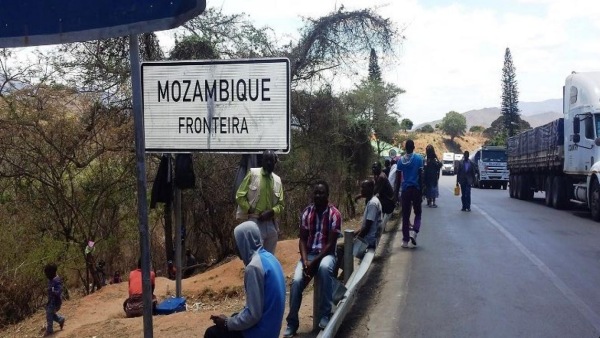
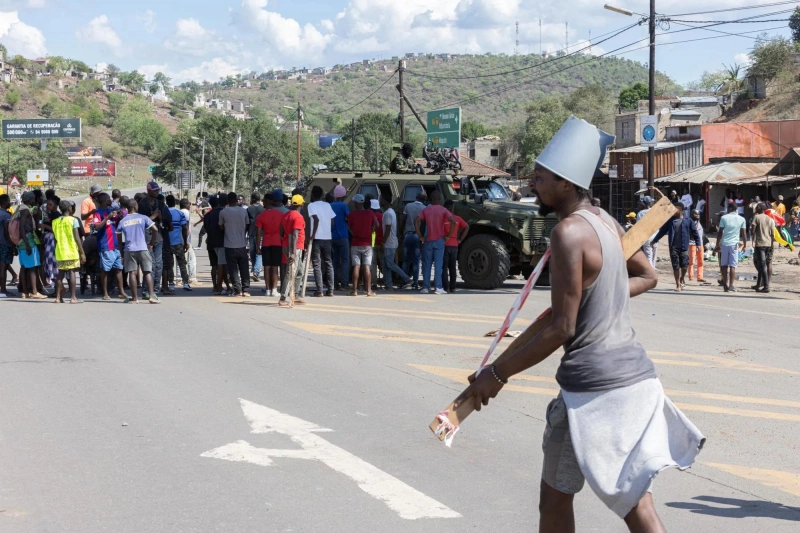
By 4 and 5 May 2026, massive queues had formed at the Lebombo border post on the South African side of the Ressano Garcia corridor. On the Mozambican side, youth groups and civil society organisations began organising a total shutdown targeting South African-registered trucks.
Eyewitness News and CapeTownEtc both reported that South Africa’s Border Management Authority and the South African Police Service moved to high alert following verified threats of protest action on the Mozambican side.
The Ressano Garcia corridor feeds directly into the Port of Maputo and carries a substantial volume of South Africa’s coal and chrome exports. A sustained blockade could trap billions of rands in freight and trigger force majeure declarations from several South African mining houses.
The Mozambican government had not yet signed a formal trade blockade decree as of 6 May. However, grassroots committees were already physically turning back vehicles bearing South African registration plates, or where drivers could not communicate in local languages.
Why Pretoria is Losing the Region
South Africa’s government condemned the violence as “criminal” following the initial attacks. That condemnation has done little to satisfy its neighbours.
The United Nations issued a formal condemnation through an official spokesperson on 27 April 2026. The African Commission on Human and Peoples’ Rights separately issued a press release condemning the attacks, both statements now on record.
Yet the absence of high-profile arrests of anti-migrant organisers has hardened a perception across the SADC bloc that the South African state is, at minimum, failing to act with urgency. At worst, some regional governments have begun to frame its inaction as a form of complicity.
That perception is now driving the SADC response to xenophobic attacks beyond words. Blocked trade corridors, restricted power exports, sealed borders and evacuating citizens all represent a rupture in regional integration that took decades to build.
A Situation Still Developing
The situation remains fluid. Tanzania’s ultimatum is still being scrutinised for its precise scope. Botswana’s power restrictions have not yet been formally gazetted. Mozambique’s grassroots blockade is real but not yet backed by a government decree.
What is clear is that the SADC response to xenophobic attacks has moved well beyond diplomatic protest. Several governments are now deploying economic leverage to force accountability from Pretoria that condemnations alone have failed to produce.
Reporting draws on statements from the African Commission on Human and Peoples’ Rights, the United Nations, Eyewitness News, state communications from Ikulu Tanzania, the Botswana Power Corporation and the South African Border Management Authority.