



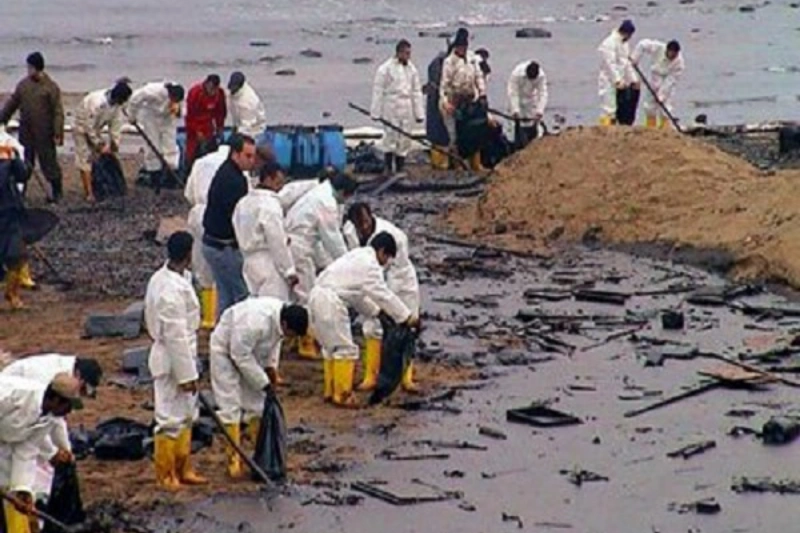

The Ogoni clean-up programme has moved into a harder stage. Clean-up managers are now tackling the most heavily polluted sites in Ogoniland, after years spent clearing simpler ground first.
The Hydrocarbon Pollution Remediation Project, known as HYPREP, disclosed the shift this week. It came during a wider update marking ten years since the Ogoni clean-up programme began.
Project Coordinator Professor Nenibarini Zabbey gave the update in Port Harcourt. He spoke at a quarterly meeting bringing together regulators, oil asset owners and community representatives.
Out of 65 contaminated sites named in the 2011 United Nations Environment Programme report, HYPREP has closed out 30. Seventeen were simple sites, where only soil contamination was found, and now hold full closure certificates. Thirteen more recovered on their own through natural attenuation, a process later confirmed by the National Oil Spill Detection and Response Agency.
What is left is harder. Eighteen sites are rated high-risk and sit inside residential areas. That makes this stage of the Ogoni clean-up programme more sensitive, and slower.
HYPREP says these sites are undergoing fresh characterisation before any contract is awarded. Groundwater contamination can shift over time, Zabbey has said. Pollution patterns recorded in 2011 may no longer match what sits under the ground today.
Soil and groundwater work at medium-risk complex sites had reached just over 39 per cent by the end of last year, HYPREP’s own scorecard shows. Shoreline remediation stood at 72.7 per cent. Mangrove restoration was almost done, at 99 per cent.
Zabbey used the anniversary meeting to point to a wider shift too. Women’s participation has climbed from five per cent in 2023 to 45 per cent this year. He called it a human-centred, multi-stakeholder approach, built around the original UNEP recommendations.
Health work sits alongside the remediation side of the Ogoni clean-up programme, and has also grown past the initial UNEP scope. Four health facilities now run on solar power with modern equipment, and five ambulances have been added to improve referrals.
A 43-bed cottage hospital at Buwa is finished. It is waiting for the Rivers State government to post staff.
The Ogoni Specialist Hospital is about 80 per cent complete. It will house an oncology unit, alongside an MRI machine that HYPREP inspected in Germany before shipment.
A three-year health study with the International Agency for Research on Cancer is now in its second year. Blood samples are already being collected.
None of this has been smooth for the Ogoni clean-up programme. Heavy rain keeps flooding remediation sites on low ground, halting excavation and soil treatment until conditions dry out.
Land disputes between communities have also slowed some work. HYPREP says it now leans on mediation rather than force to settle them.
Illegal artisanal refining remains a repollution risk too. HYPREP has responded by training hundreds of former refiners in commercial diving and underwater welding, aiming to move them into legitimate oil, gas and maritime jobs.
The livelihoods side of the Ogoni clean-up programme is expanding too, with more jobs coming this year regardless. HYPREP says over 1,500 direct roles will open through the next phase of mangrove and shoreline work.
Skills training will reach more than 2,000 young people and women, across ten trades. A further 300 people with disabilities are being trained separately.
Civil society groups have broadly welcomed the direction of the Ogoni clean-up programme. They are also pressing HYPREP to keep repollution in check.
Dr Nabie Nubari of the Centre for Environment, Human Rights and Development compared uncontrolled repollution to mopping a floor with the tap still running. He urged the agency to hold on to its community-centred approach.
Ogoniland has waited more than a decade for its Niger Delta wetlands and farmland to recover from oil pollution. The next stage of the Ogoni clean-up programme will be judged less on ceremony, and more on whether the hardest sites finally get closed out.


