



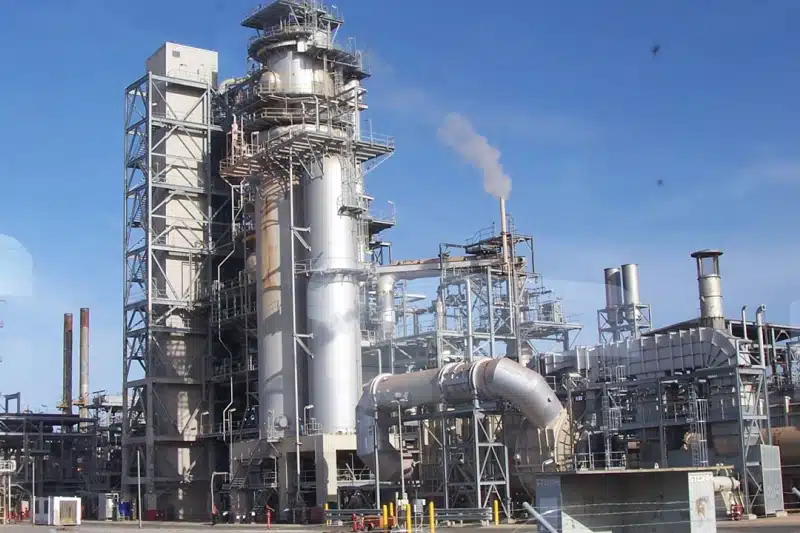

Nigerians already stretched thin by rising prices now face a fresh source of pressure. Dangote Petroleum Refinery has stopped selling petrol, diesel and aviation fuel in naira, switching every transaction to United States dollars from Monday, 13 July 2026.
The new Dangote Refinery dollar prices place petrol at $0.779 per litre, diesel at $1.087 per litre and aviation fuel at $0.942 per litre, according to a notice the refinery sent to marketers. Coastal deliveries of petrol have been benchmarked at $1,044.62 per metric tonne. Liquefied Petroleum Gas, the cooking gas millions of households rely on, is exempt and will continue under the old arrangement.
The timing could hardly be worse for household budgets. Nigeria’s headline inflation rate climbed to 15.93 percent in May 2026, the third straight monthly rise, according to the National Bureau of Statistics. Food inflation stood at 16.96 percent over the same period, with the bureau pointing to rising costs for onions, tomatoes, yam, cassava and other staples that fill the average Nigerian plate.
Transport costs, the category most directly tied to fuel prices, rose 17.1 percent year on year in May, up from 16 percent in April. Economists say Dangote Refinery Dollar Prices could add another layer of inflationary pressure if marketers continue adjusting pump prices upward.
That transport figure matters more than any other number in this story. Petrol does not stay in one price silo. It moves through bus fares, through the cost of moving food from farms to city markets, through the diesel that powers the generators small traders depend on when the national grid fails them.
When the Dangote Refinery dollar prices push ex-depot costs higher, that increase rarely stops at the pump. It filters into the price of bread, the cost of a bus ride to work and the margin a market woman adds to a basket of tomatoes.
Early evidence of that pass-through appeared within hours of the policy taking effect. Depot owners raised their ex-depot petrol prices to between N1,085 and N1,090 per litre on Monday morning, up from roughly N1,075 before the announcement. The immediate reaction from depot operators suggests Dangote Refinery Dollar Prices are already influencing pricing decisions across the downstream sector.
Chinedu Ukadike, spokesperson for the Independent Petroleum Marketers Association of Nigeria, warned that the shift would put real pressure on the naira and, by extension, on pump prices, unless the federal government intervenes. He noted that crude oil and the dollar are the two forces that most consistently determine what Nigerians pay at the fuel pump.
The mechanism behind that warning is straightforward. Marketers now pay Dangote in dollars, but they still sell to Nigerians in naira. If the naira weakens even slightly, the naira cost of every litre rises automatically, with no other factor needing to change. That ties the price of fuel, and everything fuel touches, more tightly to a currency market that ordinary consumers have no influence over.
Industry sources told BusinessDay and Tribune that the refinery’s decision was driven by a currency mismatch of its own. Dangote has been receiving a growing share of its crude oil from the Nigerian National Petroleum Company Limited under dollar contracts, while continuing to sell a large volume of its finished products in naira. That gap left the company exposed every time the exchange rate moved, and the Dangote Refinery dollar prices policy is its response to that exposure.
The move also unwinds the naira-for-crude arrangement that began on 1 October 2024, a policy designed specifically to shield Nigerians from this kind of currency-driven price shock by letting local refiners buy crude in naira. Its effective collapse raises a harder question for the federal government: if the mechanism built to protect consumers from exchange-rate volatility could not hold, what replaces it now that Dangote Refinery dollar prices are the new benchmark for the entire downstream sector.
For now, the government has not issued a formal response. With food inflation already above 16 percent and transport costs climbing even faster, the coming weeks will show whether this latest shift becomes another line item in an already long list of price pressures facing Nigerian households.


