




Zambia lost an estimated $3.5 billion to illicit financial flows. That is according to the country’s Financial Intelligence Centre. Its latest trends report is now shaping political and economic debate.
Most of these illicit financial flows are linked to commercial activity carried out by multinational enterprises. Tax evasion, trade mispricing and illegal mining accounted for the rest.
Investigators identified 1,203 individuals and entities tied to the illicit flows. That figure includes 401 corporate entities and 802 individuals, many of them foreign nationals.
According to the Financial Intelligence Centre, several foreign nationals transacted through their own accounts. Others used Zambians as business partners, employees or agents. Commissions were often paid to facilitate the transfers.
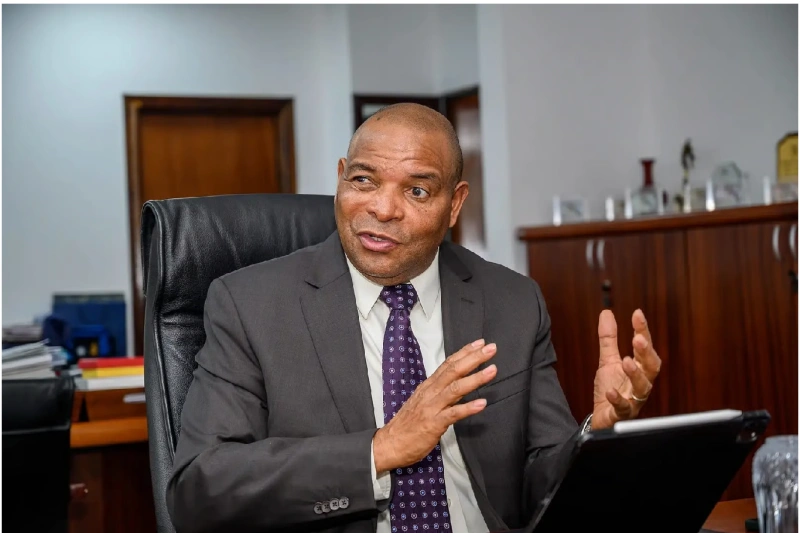
Director General Clement Kapalu, in comments carried within the Centre’s report, described a recurring pattern. Third party cash deposits of between $75,000 and $100,000 came first. Inter company transfers and outward remittances followed, some disguised as payments for furniture or goods.
More than $100 million was moved to the Middle East and Asia by just thirteen companies, Kapalu’s account noted. None of the firms involved were tax compliant.
Many of these companies had little or no genuine commercial activity. Yet large sums still passed through their accounts. The Centre links this pattern to the wider growth of illicit financial flows across the region.
Illegal mining has become a significant driver too. Copper, gold and precious stones are being traded outside formal channels. North Western, Copperbelt, Luapula and Muchinga provinces are worst affected.
The scale of Zambia’s illicit financial flows has alarmed economists and policy researchers alike. The Centre for Trade Policy and Development puts the losses at roughly ZMW91 billion.
That sum is close to 42 per cent of Zambia’s 2025 national budget, the Centre for Trade Policy and Development says. It also exceeds the combined ZMW73.9 billion allocated to education, health, social protection and housing.
Robert Mwale is a public finance researcher with the Centre for Trade Policy and Development. He has warned that the leakages are depriving Zambia of resources for free education and healthcare. Essential medical supplies are among the casualties, he says.
President Hakainde Hichilema’s government has previously directed law enforcement agencies to investigate findings raised in Financial Intelligence Centre reports. It remains unclear how many cases tied to the latest figures have led to prosecutions.
Zambia’s mining sector remains the backbone of its export economy. Smuggling networks stand accused of exploiting weak customs oversight. Copper and gold are said to leave the country undeclared.
Zambia is still recovering from a drought hit 2024 and leans heavily on mining revenue for that recovery. Persistent illicit financial flows threaten to undercut fiscal gains made elsewhere in the economy.
Whether Zambia’s anti money laundering institutions can turn this latest trends report into prosecutions remains an open question. That answer may decide how much of the $3.5 billion lost to illicit financial flows is ever recovered.


