



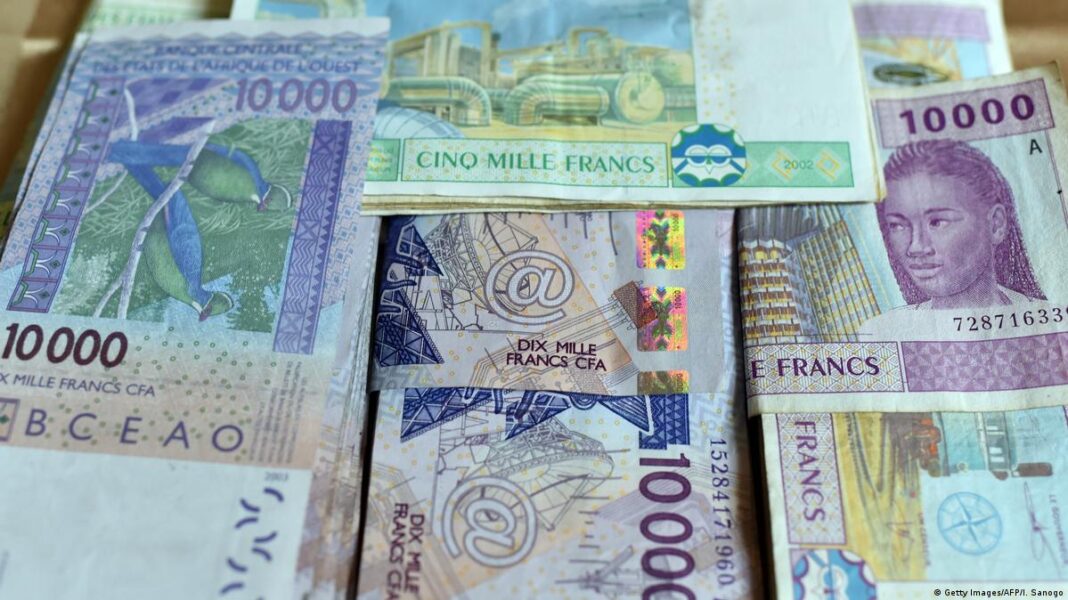

West Africa’s long-awaited currency reform is inching forward again. But fresh fractures are opening over who gets to use it first. Leaders meeting in Lungi, Sierra Leone confirmed that the Eco currency transition remains fixed for 2027. The region is still arguing over its shape.
At the 69th ECOWAS summit on 19 July 2026, heads of state agreed to a phased rollout. There will be no single launch date for every member. Countries that meet strict economic benchmarks will adopt the currency first, the summit communique from ECOWAS stated. Others will join once they qualify.
Those benchmarks are not easy to hit. Nations must keep inflation in single digits. Budget deficits must stay under four per cent of GDP. Central banks must also limit how much they lend to their own governments. Nigeria and Ghana are both tipped as early movers in the Eco currency transition. Yet both are still wrestling with inflation and currency pressure of their own.
The bigger obstacle is political rather than statistical. Nigeria’s presidency has signalled something significant. The opening phase of the Eco currency transition could proceed without the eight francophone states that already share the CFA franc. That would split the bloc in two. A faster anglophone track would move first, and a slower, France-linked track would follow.
That split would upend three decades of planning. The whole point of the Eco was to absorb the CFA franc, not compete with it. Eight UEMOA states already share a common currency pegged to the euro, among them Benin, Ivory Coast, Senegal and Togo. Folding that currency into the Eco currency transition was always the plan.
Central Africa complicates matters further. The West African CFA franc dropped its rule requiring half of reserves to sit in the French Treasury back in 2019. The Central African CFA franc, used across CEMAC states, never underwent that same reform. So even a successful Eco currency transition in the west would leave France’s monetary grip largely intact in the centre of the continent.
Then there is the exit of Burkina Faso, Mali and Niger from ECOWAS. The three military-led states quit the regional bloc. Yet they still use the CFA franc through UEMOA. That leaves them inside the currency zone but outside the political body meant to reform it.
ECOWAS has tasked its Commission, chaired by Omar Alieu Touray, with speeding up the technical groundwork. A task force meeting is expected before the December 2026 summit. Officials, in Africanews’ account of the Lungi outcome, say key questions remain open. The future central bank’s structure, its decision-making rules and the list of first-phase countries are all still unresolved.
History offers little comfort here. The Eco currency transition has already missed launch dates in 2005, 2010, 2015 and 2020. Each time, the same problem returned: member states failed to meet convergence criteria together. Whether 2027 breaks that pattern depends less on economics than on politics. It comes down to which capitals are willing to move first, and which are content to wait.


