




Children among the dead as overnight mudslides devastate Rungwe communities and expose widening regional climate risks
At least 20 people have been confirmed dead after landslides triggered by heavy rainfall struck southern Tanzania, in what officials describe as the Tanzania landslides in Mbeya, with authorities warning the toll could rise as rescue efforts continue.
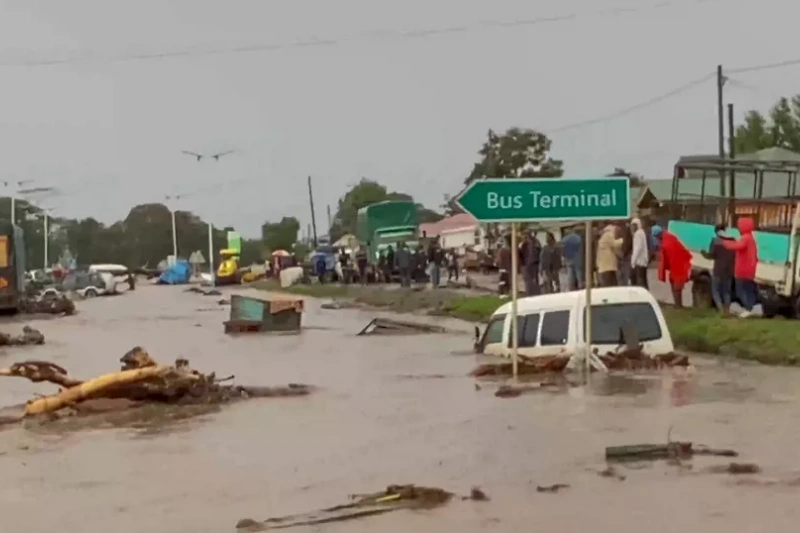
The Tanzania landslides in Mbeya have turned parts of the Mbeya Region into disaster zones after days of sustained rainfall destabilised hillsides and sent mud into residential areas, burying homes and cutting off entire communities.
A Night That Turned Fatal
In Rungwe District, the landslides struck overnight between March 25 and March 26, when torrential rain and strong winds caused slopes to give way.
Many residents were asleep when the ground shifted.
Fourteen of the 20 confirmed victims are children, including a 10-month-old infant. The affected wards, Nkunga, Lupepo, Kawetele, and Ikuti, were hit within hours as mudslides entered homes with little warning.
Some survivors said the ground gave way suddenly, bringing down entire buildings.
Cut Off and Struggling for Access
Rescue operations following the Tanzania landslides Mbeya have been slowed by extensive damage across the district.
Key roads and bridges have been badly affected by flooding. In a number of areas, communication is down, making it harder for rescue teams to coordinate and reach those affected.
For many survivors, the immediate problem is getting help, whether medical care, shelter, or basic supplies.
Authorities are now moving people out of high-risk areas, especially those living on unstable slopes.
Rain Still Falling
The Tanzania Meteorological Authority says more rain is expected in the coming days.
Some areas could see more than 20mm of rainfall within 24 hours. In already saturated terrain, further rainfall could trigger additional slope failures, raising the risk of more damage.
Officials are urging residents in vulnerable locations to relocate, though damaged access routes are slowing evacuation efforts.
A Regional Crisis Taking Shape
Heavy rains this season have hit several parts of East Africa, including southern Tanzania.
In Kenya, flooding has displaced tens of thousands and caused multiple deaths, with rivers spilling into nearby communities. In Ethiopia, landslides earlier this month in the Gamo Zone killed at least 80 people.
The impact is not limited to Mbeya. Other parts of Tanzania have also been affected.
Floodwaters have covered roads in the Serengeti National Park. Deaths have also been reported in Morogoro and Arusha.
The national toll for the season is now above 60.
Why the Ground Is Giving Way
The drivers behind the Tanzania landslides Mbeya are both environmental and structural.
The IGAD Climate Prediction and Applications Centre had projected a strong likelihood of above-average rainfall across the region this season, according to regional climate data from the IGAD Climate Prediction and Applications Centre. Those conditions are now showing in more intense storms.
A warmer atmosphere is holding more moisture, increasing rainfall intensity. In highland areas like Mbeya, this raises the risk of landslides.
At the same time, conditions on the ground are making the situation worse. Many homes are built with mud-based materials on steep slopes. More people are building in these areas, and vegetation has reduced over time. That is increasing the risk.
More Than a Weather Event
The Tanzania landslides Mbeya point to a deeper issue.
This is not only about heavy rain. It is also about how people are living, where homes are built, and how land is used.
Across East Africa, these kinds of disasters are happening more often.
What Comes Next
Rescue teams are still on the ground. Rain is slowing things down.
The priority now is moving people out of danger and getting help to those affected.
Longer-term fixes like better warning systems and safer construction are still not in place in many of these areas.
Officials say the situation could worsen if the rains continue.


