




Ethiopia’s main opposition force in the north, the Tigray People’s Liberation Front, has accused the federal government of steering the country towards a new war in Tigray, less than four years after the Pretoria Agreement ended the region’s devastating 2020 to 2022 conflict.
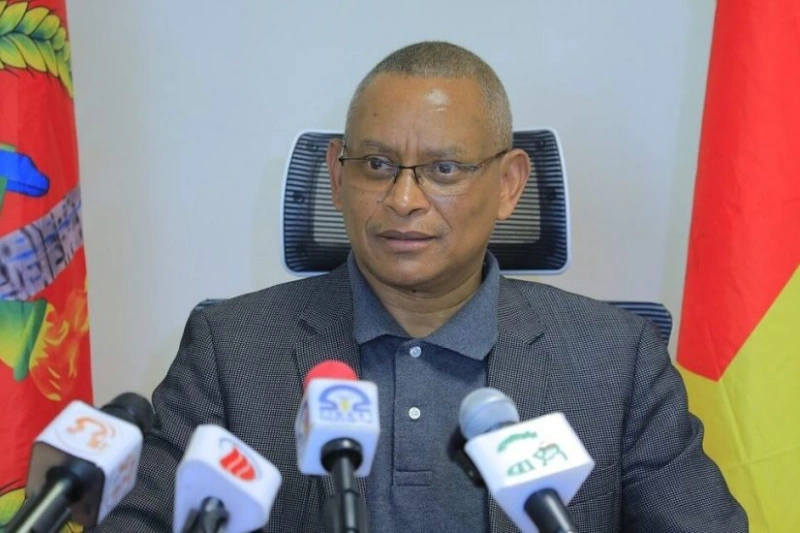
TPLF Executive Committee member and party secretary Fetlework Gebregziabher made the claim during a press briefing held on Tuesday, 30 June, where she said the Ethiopian National Defence Force was repositioning troops from western to eastern parts of the region in what she called preparation for a new war in Tigray.
Fetlework did not explain the reason behind the troop movements, but she said the TPLF was closely monitoring the situation and that Tigray remains under what she described as an existential threat despite the peace agreement signed in South Africa’s capital in November 2022.
The federal government has not publicly responded to the specific allegation raised at the briefing, leaving the claim of a looming new war in Tigray unaddressed even as tension in the north continues to build.
Fetlework’s warning lands amid growing alarm in Washington and Brussels that hardline factions within the TPLF and the Ethiopian government could drag the region into fresh fighting. The United States Department of State, through spokesperson Tommy Pigott, announced visa restrictions on 18 June targeting hardline TPLF members and their immediate relatives under Section 212(a)(3)(C) of the Immigration and Nationality Act. The restrictions followed clashes earlier in the year between the Tigray Defence Forces and the ENDF, described by Washington as the first direct engagement between the two sides since the earlier war ended.
The European Union also called for renewed dialogue on implementing the Pretoria Agreement around the same period, a sign that both Washington and Brussels see the risk of a new war in Tigray as real rather than rhetorical.
The TPLF rejected the American measures a day after they were announced, arguing in a statement that Washington had overlooked the federal government’s own failure to implement key parts of the Pretoria Agreement. Among its demands, the party wants the withdrawal of non-federal forces from disputed territories, the safe return of displaced Tigrayan civilians and impartial accountability applied to all sides.
During the same briefing, Fetlework dismissed circulating reports of forced conscription, locally known as “gifa,” describing them as deliberate misinformation designed to spread fear and weaken public resolve in Tigray.
She reiterated that the TPLF will not negotiate away what she called the fundamental interests of the people of Tigray, insisting that the right to self-determination remains non-negotiable regardless of pressure that risks tipping the region into a new war in Tigray.
Prime Minister Abiy Ahmed addressed the rising tension roughly a week later, telling lawmakers during a parliamentary session that Tigrayan youths were being forcibly recruited to fight in Sudan’s civil war. He described the practice as the biggest challenge currently facing Tigray, saying many of the young people involved were dying in a conflict they knew nothing about.
Abiy likened the TPLF to the metal blade of an axe and Eritrea to its wooden handle, arguing that addressing only the blade or only the handle would not resolve tension that could still spark a new war in Tigray unless those directing events from behind the scenes were confronted directly. He maintained that alleged links between the TPLF and other armed groups did not amount to a threat to Ethiopia’s sovereignty, and he defended the Pretoria Agreement as a major peace initiative that has delivered tangible results.
The original Tigray war, fought between November 2020 and November 2022, is estimated by the US State Department to have killed around 600,000 people, making it one of the deadliest conflicts of the past decade. The Pretoria Agreement that ended it established the Tigray Interim Regional Administration and a disarmament, demobilisation and reintegration process, yet key provisions, including the full withdrawal of non-federal forces and the delivery of transitional justice, remain disputed between Addis Ababa and Mekelle.
The regional picture adds further weight to fears of a new war in Tigray. The International Crisis Group warned in a February briefing that hostilities involving the federal government, Tigray and neighbouring Eritrea could return three years after the last war ended, pointing to federal troops moved closer to the Tigray boundary and reported drone strikes on TPLF targets earlier this year.
Separate reporting has also described sporadic disruption to flights between Mekelle and Addis Ababa, along with banking restrictions affecting residents of the region, developments the Crisis Group briefing said made a new war in Tigray easy to start and much harder to stop.
Human Rights Watch has separately urged authorities in Tigray to scrap a mobilisation law that it says enables forced recruitment and punishes dissent, underlining how both sides of the dispute face scrutiny over their conduct as fears of a new war in Tigray grow.
For now, the federal government’s silence over Fetlework’s specific claim of troop repositioning leaves Tigrayans, and the wider Horn of Africa, watching to see whether diplomatic pressure from Washington and Brussels can hold off a new war in Tigray that both local and international observers increasingly consider possible.


