



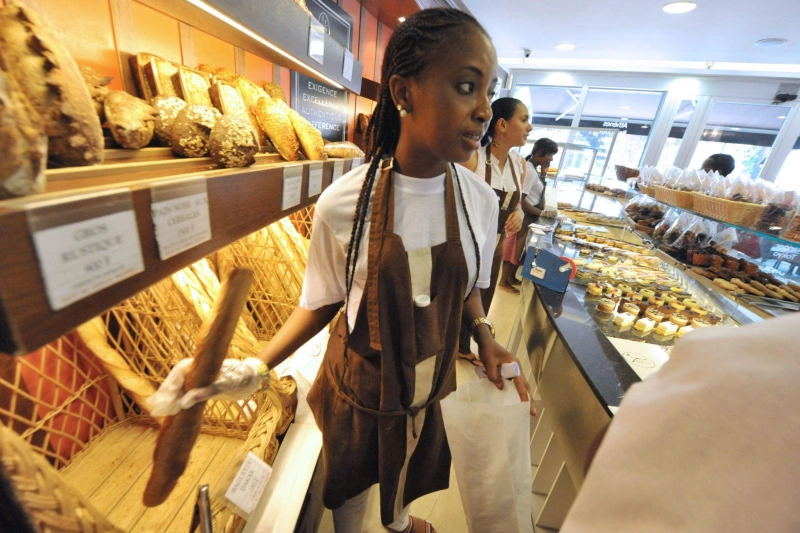

Sixty francs. That is the gap between a baguette and a standoff in Senegal.
The three-day stoppage reaches its last scheduled day on Wednesday. Bakers want the state to lift the price of the 190-gram baguette from 150 francs to 210. The government has refused.
Senegal’s bread strike began on Monday 23 November. Three of the four employer unions in the sector called it, RFI reports. The unions say about 35 per cent of bakeries shut on day one, and close to 40 per cent in the Dakar region. Those figures come from the unions themselves.
The government’s response came the same day. In a statement, trade minister Serigne Guèye Diop called 210 francs “unacceptable” given the strain on households and described the proposed increase as unilateral. He said the government had made “the irrevocable choice of stability”.
Dakar is offering cheaper baking, not dearer bread. The ministry points to tax and customs relief, newer equipment and cheaper energy. It has also promised national talks on the sector, though no date has been given.
Bakers have heard promises before. To see why, go back to June 2024. The new government cut the baguette price from 175 to 150 francs and ordered flour down by 4,000 francs a sack. Millers halted production in protest. The state ordered them back to work.
Flour sits at the centre of the dispute. Bakers say the relief never fully arrived. El Hadj Malick Thiam, spokesman for the RBS Authentique group, says the sector is still owed 3,000 francs of a promised 7,000-franc reduction per sack. If that claim is accurate, the outstanding reduction represents a substantial part of the relief promised by the government.
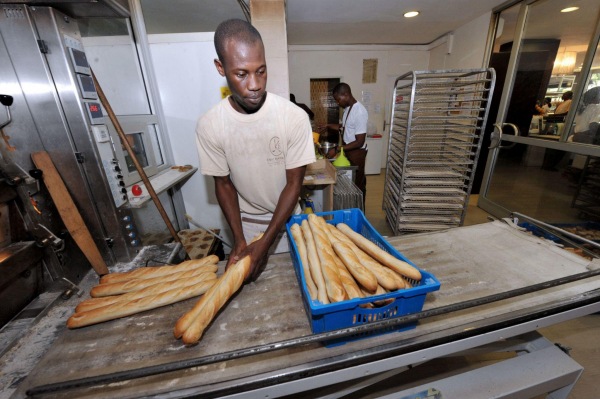
The group’s president, Fallou Sarr, set out the cost case behind Senegal’s bread strike in September, according to Senego. He put a sack of flour at 15,200 francs, or 16,000 with transport. He also pointed to dearer fuel, yeast, salt and electricity. The unions did not publish a detailed cost breakdown to support these figures.
His statement also says the baguette price has not moved since 2001. That claim sits uneasily with the documented price history: the government reduced the baguette from 175 to 150 francs in June 2024. The price may have remained unchanged for a long period before that, but the 2024 reduction makes the broader claim misleading without further explanation.
The sharper fault line runs through the bakers themselves. The strike call came in a joint statement dated 18 November from four organisations. Two days later, the National Federation of Bakers of Senegal, known as the FNBS, said it had neither signed nor approved it. It told members to keep baking.
That split matters. Senegal’s bread strike is not a clean test of the whole trade. It is a test of how many bakers are willing to stay shut.
Consumer groups have little patience with the stoppage. Momar Ndao, president of the consumer association ASCOCEN, said in a radio interview on Saturday: “They can strike for ten years if they like. We will find alternative solutions.”
The arithmetic explains the anger. A rise from 150 to 210 francs is 40 per cent. For a household buying one baguette a day, that means an additional 1,800 francs a month.
Souleymane Seck, a member of the unions’ joint front, sees it differently. He told RFI the minister ignored the unions‘ demands at a meeting about ten days ago. “It is for the state to fund a social product, not for bakers,” he said.
His point has a sting. Dakar fixes the price of the loaf. It also set the price of the flour sack in 2024, and bakers say they are still waiting for the promised reduction to be fully delivered.
The unions say they will renew Senegal’s bread strike if no solutions arrive. The ministry says 210 francs is off the table.
Nobody disputes that bread is a social product. They dispute who pays for it. Somebody will pay for that baguette. For now, nobody has agreed who.


