




A Chinese investor and former chief finance officer of a lithium mining firm has been arrested in Zimbabwe over allegations that he stole more than US$3.65 million from the company. Li Shigang, 58, is at the centre of a lithium mining fraud case that has drawn attention to weak financial oversight inside some of the country’s Chinese owned mining operations.
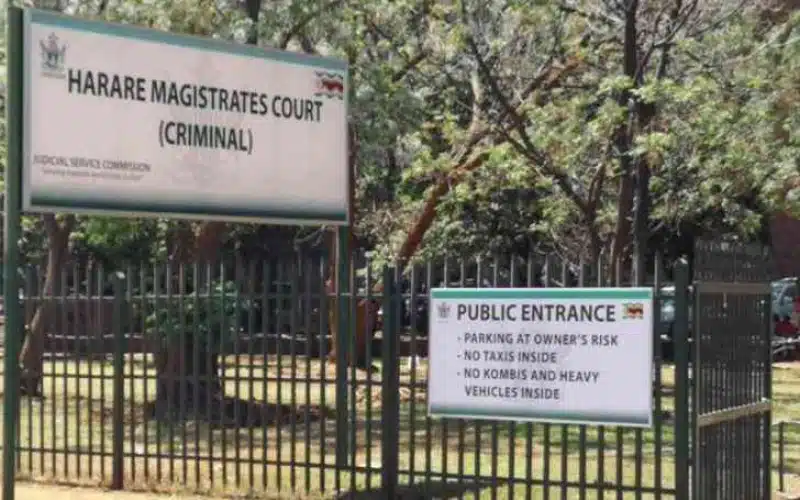
Li appeared before Harare regional magistrate Jessie Kufa on Monday after his arrest on 11 July, according to the Herald, Zimbabwe’s state-run newspaper that first reported the court appearance. He faces a charge of theft of trust property under Zimbabwe’s Criminal Law Code, with prosecutors listing an alternative charge of contravening the Money Laundering and Proceeds of Crime Act.
According to court papers cited by NewZimbabwe.com, the lithium mining fraud case centres on Li’s role as chief finance officer and commercial manager of San Ding Lithium (Private) Limited, a post he took up in 2022. Police allege he held full authority over funds collection, disbursement, financial supervision, commercial settlements and payments approval, giving him what prosecutors described as complete control over the company’s finances.
Court records show that on 12 October 2022, Li voluntarily injected US$630,000 of his own money into San Ding Lithium as a personal investment. During his time at the company, San Ding Lithium generated more than US$3.65 million in revenue, the Herald reports. Prosecutors allege that Li, working with an accomplice identified as Zhu Guozhonga, used forged receipts and invoices to misappropriate nearly the entire sum, leaving the company prejudiced by US$3,650,000.
The lithium mining fraud case also involves claims that the two men disposed of two company vehicles, Toyota Hilux double cabs with registration numbers AFY 3339 and AEN 0398, and pocketed the proceeds. In January 2024, prosecutors say, Li and his accomplice resigned from the company without completing handover formalities or submitting financial records for reconciliation.
Chen Dehua, 57, a director at San Ding Lithium, is named as the complainant. He reportedly spent more than two years trying to contact Li to establish what had happened to the missing funds, without success. Police say nothing has been recovered so far.
The lithium mining fraud case has surfaced at a sensitive moment for Zimbabwe’s lithium sector, now dominated by Chinese companies following more than a billion dollars in investment since 2021. Chinese firms operate all six of the country’s major lithium mines and control an estimated 90 percent of Zimbabwe’s wider mining sector, a US congressional investigation found earlier this year. That inquiry pointed to weak governance and limited accountability mechanisms across the industry, concerns that critics say the San Ding Lithium allegations now illustrate at company level.
Zimbabwe’s mining sector remains central to the economy, contributing about 14 percent of GDP and roughly three quarters of export earnings, according to World Bank figures. Lithium has become a strategic export in particular, with government policy pushing local processing over raw ore exports since a 2022 beneficiation drive. Analysts have long warned that opaque ownership structures and limited regulatory capacity leave room for exactly the kind of internal fraud alleged in the lithium mining fraud case now before the Harare courts.
Li has not yet been asked to plead, and the allegations against him remain untested in court. Zimbabwean law presumes every accused person innocent until proven guilty. As the lithium mining fraud case proceeds, authorities are expected to face renewed pressure to tighten financial reporting requirements for foreign-owned mining firms operating in the country.
Zimbabwe’s Investment and Development Centre has issued new mining licences worth more than US$3.5 billion since 2023, much of it tied to lithium projects backed by Chinese capital. Government officials have repeatedly framed this inflow as central to Vision 2030, the country’s plan to reach upper middle income status by the end of the decade.
The lithium mining fraud case involving San Ding Lithium is unlikely to slow that broader investment drive, but it adds to a growing list of governance concerns raised by researchers tracking Chinese owned mines across southern Africa.


