




Xenophobic violence in South Africa has driven a fresh round of repatriations and camp clearances over the weekend, with Durban remaining the centre of the crisis.
Home Affairs Minister Leon Schreiber said 2,745 repatriations have taken place since President Cyril Ramaphosa’s address on migration on 7 June, the Mail & Guardian reported. He cautioned that the figure keeps changing as processing continues.
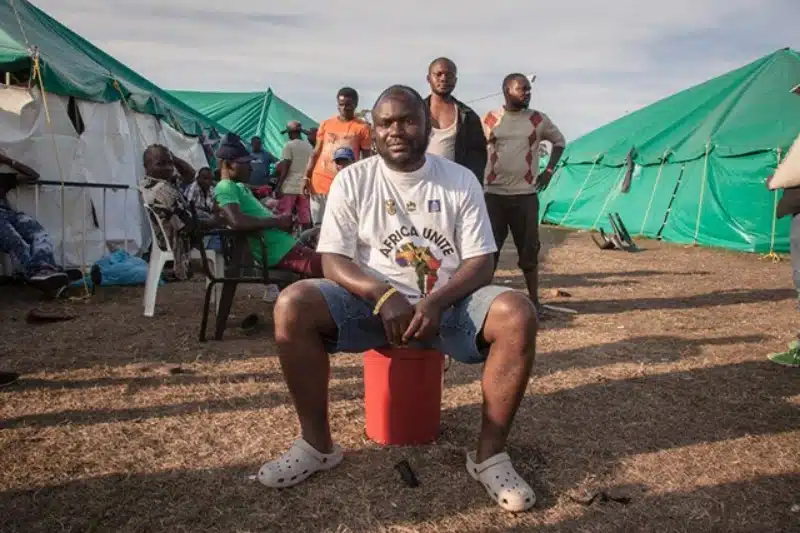
At a transit site on Che Guevara Road in Durban, officials processed 457 people over the weekend. Only three were found to be in the country illegally, according to the Mail & Guardian. The rest had legal status and were advised to return to their communities. None accepted an offer to move to the Lindela Repatriation Centre.
A separate group of more than 1,100 Malawians at the Sherwood site were also processed. Most were found to be undocumented, the report said. Provincial police spokesperson Nzuza said those with legal status would continue to receive the same protection as other residents.
The scale of the unrest linked to xenophobic violence in South Africa has pushed several governments to keep their evacuation flights running. Nigeria’s first group of 258 returnees landed in Lagos on Thursday, 11 June. A second flight was due to land on Monday, 15 June, with a third batch planned for 18 June, Tribune Online reported, citing Nigeria’s acting High Commissioner in Pretoria, Temitope Ajayi.
The Nigerian government said more than 1,000 of its citizens have registered for voluntary repatriation, according to Al Jazeera. Each returnee has received free airtime from MTN and a cash grant from the federal government, while Imo State pledged additional support for its indigenes among the returnees.
A Reuters report published on Monday described how the unrest tied to xenophobic violence in South Africa is now affecting migrants with decades of roots in the country. Princess Adjei, a Ghanaian hairdresser who has lived in South Africa since she was a toddler, told Reuters that her Durban salon was looted during a march in May. Neighbours she had known for years began telling her to go back to a country she had visited only once.
Reuters said other migrants have fled to mountains and open ground to escape the violence. Jacinta Ngobese, founder of the March and March movement, told Reuters her group is not responsible for the violence, although its protests have repeatedly coincided with attacks on foreign owned shops and homes.
Human Rights Watch has linked the cycle of xenophobic violence in South Africa to unemployment rate, which sits above 43 percent. The rights group said vigilante movements such as Operation Dudula and March and March have used this economic strain to blame foreign nationals for crime and poor public services, despite research that disputes those claims.
Daily Maverick and the Mail & Guardian have both noted that the xenophobic violence in South Africa keeps concentrating in the same areas, including Diepsloot, Mossel Bay and parts of Durban, where migrant owned shops sit close to informal settlements. Past waves in 2008, 2015 and 2021 followed a similar pattern, with attacks easing only to resurface months later.
Helen Zille and other analysts have pointed to weak documentation systems at Home Affairs as part of the problem. Schreiber has said the long term fix xenophobic violence in South Africa, depends on the rollout of biometric checks and the Electronic Travel Authorisation programme, though these reforms will take years to complete.
Schreiber said the long term answer to the unrest connected to xenophobic violence in South Africa lies in stronger immigration systems. He pointed to the rollout of biometric checks under the Electronic Travel Authorisation programme and the replacement of the green ID book with smart ID cards, the Citizen reported.
The 30 June deadline set by anti immigration activists for undocumented foreign nationals to leave remains in place. Government has not issued any deadline of its own, and officials have repeated that only police and immigration officers may demand identity documents from members of the public.
With repatriation flights continuing into next week and camp processing ongoing in Durban, the pressure linked to xenophobic violence in South Africa shows little sign of easing before the end of the month.


