



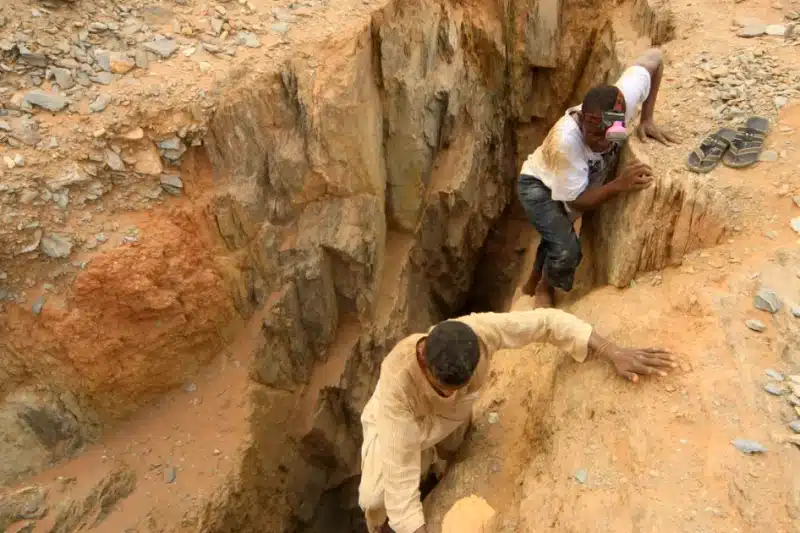

Sixty bodies pulled from a hillside. By bare hands and pickaxes. Dozens more feared still buried beneath it. That is what a night of desperate digging looked like this week in a remote corner of Sudan.
The West Kordofan gold mine collapse has become one of the deadliest mining disasters to hit Sudan since civil war broke out in 2023. At least 60 small-scale miners are confirmed dead at the Al-Zaraa site near the town of El-Nahud. Two survivors gave that figure to AFP on Wednesday.
Shafts began giving way on Tuesday. By the following morning, rescuers, mostly fellow miners armed with shovels and their hands, had pulled 60 bodies from the rubble. Reuters, citing three separate local sources, reported the same death toll from the West Kordofan gold mine collapse. Its sources placed the initial collapse on Sunday instead.
That gap in the timeline says something about where the West Kordofan gold mine collapse happened. West Kordofan sits deep inside territory held by the Rapid Support Forces, the paramilitary group fighting Sudan’s army. Reliable information from the region travels slowly. Even the day the ground gave way is disputed.
What nobody disputes is the scale of the West Kordofan gold mine collapse. Survivor Khair al-Sayyed Jabara took part in an all-night rescue effort. He used the same rudimentary tools the miners use to dig for gold in the first place. Nobody, he said, could say how many people remained trapped below.
Another miner, Al-Amin Suleiman, explained why the collapse turned lethal so fast. The shafts at Al-Zaraa sit close together. When one caves in, it drags down the ones beside it. Sixty bodies had been recovered by Wednesday morning, he added, but those still trapped since the day before were unlikely to be found alive.
There is no fire brigade out there. No mine rescue authority. No heavy plant equipment on standby. Jabara put it plainly: they need heavy machinery to clear the rock and soil, and they simply do not have it. Men who spent Tuesday digging for gold spent Wednesday digging for their colleagues instead.
This is the real story behind the West Kordofan gold mine collapse. Gold has become one of the few functioning industries left in a country torn apart by war. Artisanal digging in unofficial pits and abandoned mines now accounts for most of what Sudan extracts. Since April 2023, both the army and the RSF have leaned heavily on gold revenue to keep fighting. Much of it moves out through smuggling routes that eventually reach the United Arab Emirates, which denies arming the RSF despite persistent reporting to the contrary.
Sudan is also gripped by what aid agencies call the world’s largest hunger and displacement crisis. Close to 20 million people face crisis levels of hunger there. Work has disappeared almost everywhere else, so men walk into condemned shafts with hand tools because there is often nothing else on offer.
The West Kordofan gold mine collapse did not happen in isolation. It happened because a war economy pushed desperate men underground with no safety net waiting above them.
There is a bitter precedent worth remembering. A similar West Kordofan gold mine collapse killed 38 people in December 2021. That site had already been condemned as unsafe by the state mining company. Miners went back once the guards protecting the closed pit left. Five years on, the pattern has repeated itself, only with a far higher body count.
That is the contrast at the heart of the West Kordofan gold mine collapse. A resource valuable enough to help fund two competing armies is being pulled from the ground by men without helmets, harnesses or a single working winch between them. The gold moves quickly toward refineries and export markets once it surfaces. The men who dig it out sometimes do not surface again.
Large-scale rescue support remains effectively out of reach after a West Kordofan gold mine collapse like this one. The area lies under RSF authority, alongside neighbouring Darfur, where the paramilitary faces accusations of genocide. Its governing structures cannot field the kind of emergency response a disaster this size would demand elsewhere. Families are left waiting on word from a rescue effort powered by grief and shovels, not trained crews and proper kit.
The death toll from the West Kordofan gold mine collapse is expected to climb further. Search efforts continued into Wednesday. With dozens still unaccounted for, few people at Al-Zaraa expect any more survivors to come out of the rubble alive.
For now, the men still digging are doing so with the same tools that put their colleagues in the ground. It is a grim kind of persistence. They are chasing gold in the middle of a war they did not create, in shafts that gave them no warning before they gave way.


