



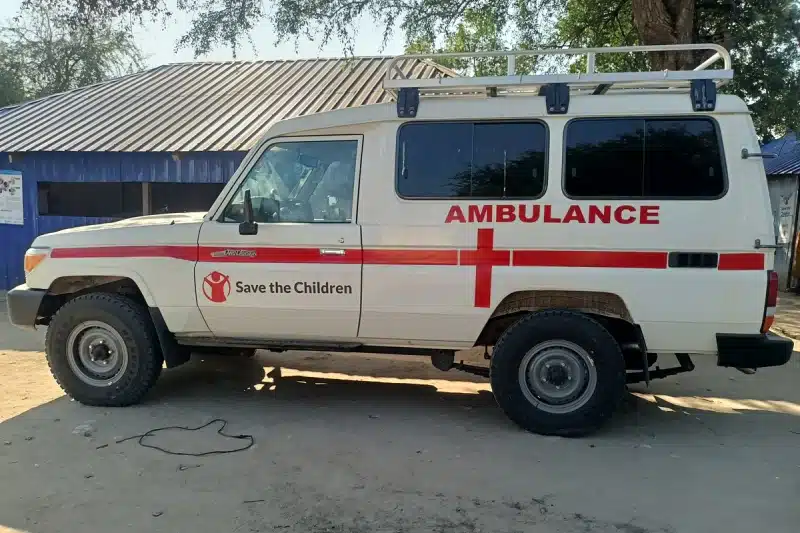

AKOBO EAST, JONGLEI STATE – A growing humanitarian emergency is unfolding in Akobo East, Jonglei State, after aid agencies including Save the Children suspended operations following a military directive ordering civilians and humanitarian organisations to vacate the area amid escalating violence.
The NGO suspension in Akobo East has left tens of thousands of residents without access to essential services. Aid groups say more than 100,000 children have been cut off from healthcare, nutrition support, and safe water, raising fears of worsening malnutrition and disease in one of South Sudan’s most fragile regions.
Humanitarian workers reported that clinics, feeding centres, and water points were forced to close rapidly as staff withdrew from the area.
Children and Families Most Affected
Children are expected to bear the heaviest impact of the disruption. Many families in Akobo East rely on NGO-supported programmes for treatment of acute malnutrition, routine vaccinations, and maternal healthcare.
Aid agencies warn that the sudden halt in services could leave vulnerable children without life-saving treatment. According to field staff familiar with the situation, nutrition centres and community health posts were among the first services to shut down following the evacuation order.
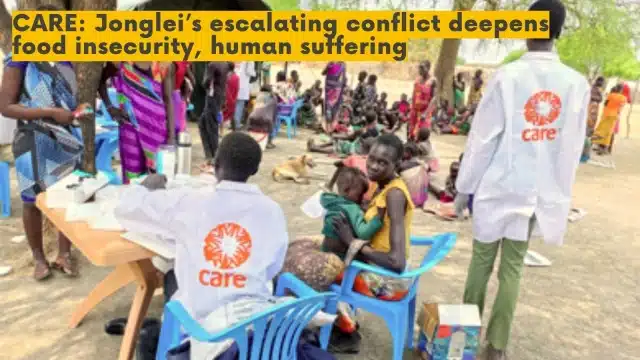
The interruption has also affected drinking water supplies in several communities that rely on boreholes and pumps maintained by aid groups. With technicians gone and supply chains disrupted, some villages are already reporting longer journeys to reach functioning water points.
Displacement Across Jonglei State
The crisis in Akobo East is unfolding against a wider wave of displacement across Jonglei. Since December, over 280,000 people have fled their homes, driven by violence and insecurity across the state.
Many families have moved into temporary settlements along riverbanks and open grazing land, building shelters from plastic sheets, tarpaulins, and salvaged wood. Aid workers say the growing settlements are placing pressure on limited food supplies and sanitation facilities.
Humanitarian officials say the NGO suspension in Akobo East is likely to deepen the hardship faced by displaced families who had already been struggling to reach clinics, schools, and food assistance.
Health and Water Services Interrupted
With aid agencies withdrawing staff, several programmes that residents depended on daily have been paused. These include nutrition treatment centres, vaccination drives, maternal health services, and water support projects that served surrounding communities.
Medical workers warn that if the disruption continues, preventable illnesses could spread more easily in crowded settlements, particularly among young children.
Access to safe water is also becoming less certain as some communities begin relying again on river water or shallow wells following the closure of NGO-supported supply points.
International Concern Over Aid Access
The developing situation has drawn concern from humanitarian organisations and international agencies operating in South Sudan. Officials from the United Nations and partner agencies say maintaining humanitarian access remains critical to preventing further deterioration of living conditions.
Children in Jonglei are already among the most vulnerable in the country. According to assessments by UNICEF and the World Food Programme, large numbers of children in the region depend on humanitarian support for basic nutrition and healthcare.
Aid organisations are urging authorities to allow safe humanitarian corridors so that life-saving services can resume as soon as security conditions permit.
Jonglei’s Persistent Instability
Jonglei State has long experienced cycles of localised conflict, cattle raiding, and armed violence, often aggravated by flooding, food shortages, and weak infrastructure.
These pressures have repeatedly forced communities to move in search of safety and assistance. The latest NGO suspension in Akobo East represents one of the most significant interruptions of humanitarian services in the area in recent years, cutting off support that many communities relied on for healthcare, nutrition programmes, and access to clean water.
Uncertain Outlook for Aid Operations
For now, aid agencies say their priority is the safety of staff while monitoring the security situation closely. However, humanitarian officials emphasise that restoring access to vulnerable communities remains urgent.
Until aid operations resume, thousands of families in Akobo East remain without the support systems that many have relied on for food, medical treatment, and safe water.
Humanitarian organisations say coordinated action will be needed to ensure assistance can return safely to the region and prevent the crisis from deepening further.


