



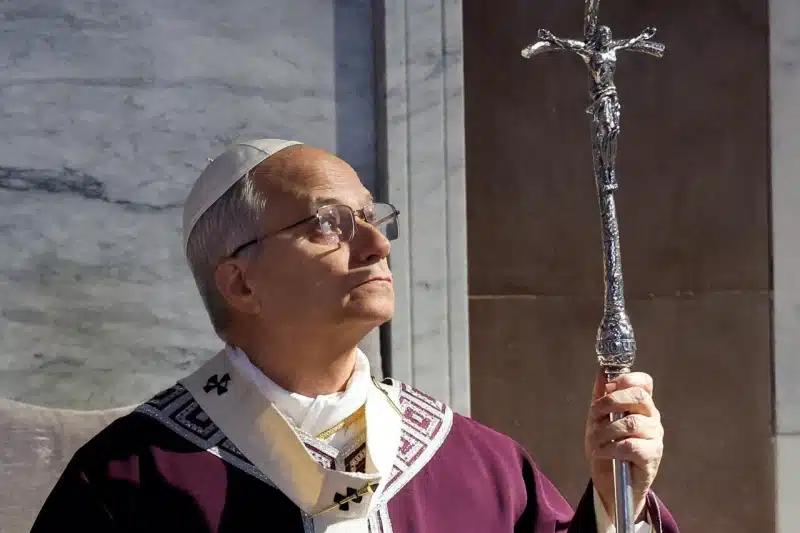

Pope Leo XIV’s planned 10-day visit to Africa from 13 to 23 April is not a routine pastoral journey. It reflects a deliberate shift in emphasis by the Vatican towards a continent that is rapidly becoming central to the life and future of the Catholic Church. Covering Algeria, Cameroon, Angola and Equatorial Guinea, the Pope Leo XIV Africa tour combines spiritual outreach with diplomatic signalling at a time of growing global uncertainty.
According to data published by the Vatican News and the Pew Research Center, Africa now accounts for more than 20 per cent of the global Catholic population, with the fastest growth rates worldwide. This demographic reality provides the foundation for the Pope Leo XIV Africa tour and explains why the continent is increasingly central to Vatican strategy.
A new papacy shaped by demographic reality
Elected in May, Pope Leo XIV has moved quickly to define his priorities. While Pope Francis emphasised outreach to the margins, Leo’s approach reframes Africa as a core pillar of the Church.
Figures from the Centre for Applied Research in the Apostolate show that Catholic populations in Europe are either stagnating or declining, while African congregations continue to expand, supported by high birth rates and strong participation in parish life. Seminaries across parts of West and Central Africa are also reporting sustained enrolment growth.
This context is essential to understanding the Pope Leo XIV Africa tour. It is not symbolic alone. It reflects a structural shift in where the Church’s vitality now lies.
There is also a historical dimension. As a member of the Order of Saint Augustine, the Pope’s itinerary connects directly to Saint Augustine of Hippo, whose North African roots underscore Christianity’s deep presence on the continent long before European expansion.
Algeria opens the Pope Leo XIV Africa tour with interfaith focus
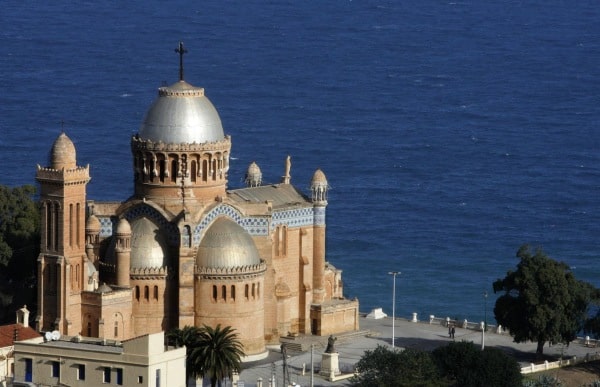
The first leg of the Pope Leo XIV Africa tour takes place in Algeria, a country where Muslims form the overwhelming majority and the Catholic community remains small.
According to reporting from the Vatican Press Office, the Pope is expected to visit the Great Mosque of Algiers and travel to Annaba, the ancient city of Hippo. These engagements highlight two parallel messages. The first is a commitment to Muslim Christian dialogue. The second is a reminder of Africa’s early role in shaping Christian theology.
Analysts at the International Crisis Group note that religious diplomacy in North Africa carries increasing importance due to instability across the Sahel. In this context, the Algeria stop positions the Pope Leo XIV Africa tour within broader efforts to support coexistence and reduce tension.
Cameroon places peace at the centre of the Pope Leo XIV Africa tour
The second stage of the Pope Leo XIV Africa tour shifts focus to Cameroon, where the Anglophone crisis continues to affect the country’s North West and South West regions.
Data from the United Nations Office for the Coordination of Humanitarian Affairs indicates that the conflict has displaced hundreds of thousands of people and disrupted education and livelihoods. By travelling to Bamenda and hosting a peace meeting, the Pope is placing the Vatican’s moral authority within an active conflict zone.
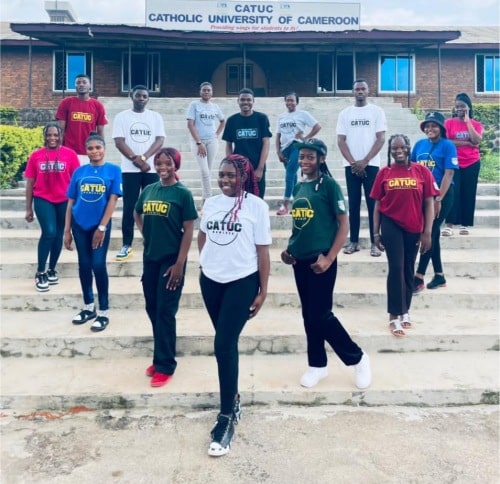
Meetings with young people in Yaoundé are expected to address unemployment and outward migration. Reports from the World Bank highlight youth unemployment as a major driver of instability across Sub Saharan Africa.
Within this setting, the Pope Leo XIV Africa tour operates on two closely linked levels. It is a pastoral journey aimed at strengthening faith communities, while also serving as a form of soft diplomacy that draws attention to crises political processes have struggled to resolve.
Angola reflects on inequality and historical memory
In Angola, the Pope Leo XIV Africa tour shifts into a country that has moved on from conflict but still faces clear social and economic gaps.
Data from the International Monetary Fund shows that Angola’s economy remains heavily tied to oil. While this has supported national income, the benefits have not been evenly shared, leaving clear disparities that continue to shape everyday life and public confidence.
The Pope’s visit to the Muxima Marian Shrine adds further depth to the trip. The site is closely associated with Angola’s links to the transatlantic slave trade, and its inclusion offers a moment of reflection that connects historical experience with present concerns around justice, dignity and inclusion.
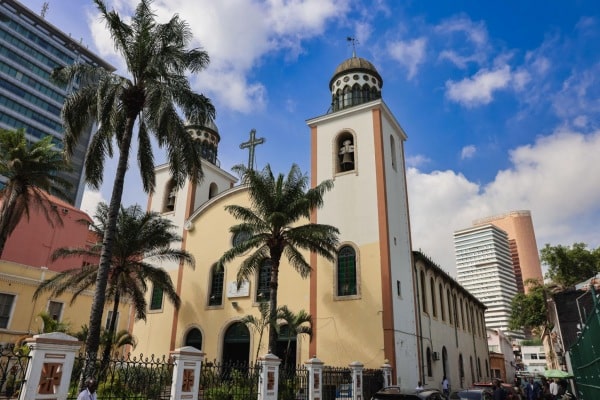
At the same time, the Church remains a visible part of daily life. According to Catholic Relief Services, Catholic institutions support education, healthcare and local communities across the country. This underlines the Church’s role not only in faith, but also in practical support.
In this context, the Angola leg of the Pope Leo XIV Africa tour is likely to centre on fairness, responsible leadership and stronger social cohesion.
Equatorial Guinea closes the Pope Leo XIV Africa tour with a message of dignity
The final stage of the Pope Leo XIV Africa tour takes place in Equatorial Guinea, a country where strong national income sits alongside clear social inequality.
Reporting from Amnesty International has repeatedly pointed to concerns around governance and civil liberties. Against this backdrop, the Pope’s planned visits to hospitals, prisons and the site of the 2021 Bata explosions place the focus on compassion and on those often overlooked.
This reflects a familiar Vatican approach. Rather than direct confrontation, the Church relies on symbolism and public messaging to draw attention to questions of justice and human dignity.
A broader shift behind the Pope Leo XIV Africa tour
Across all four countries, the Pope Leo XIV Africa tour reflects a wider transformation within the Catholic Church.
Research from the Pew Research Center shows that Christianity’s global centre of gravity is moving southwards, with Africa playing a leading role. At the same time, rising geopolitical tension and a more fragmented global order are increasing the relevance of non-state actors, including religious institutions, in shaping international conversations.
Within this context, the Pope Leo XIV Africa tour reflects a broader attempt by the Vatican to project itself as a consistent moral voice in an increasingly divided world. Planned engagements with leaders such as Paul Biya and Teodoro Obiang are expected to attract scrutiny, especially given the political sensitivities surrounding their administrations. However, the Vatican’s approach typically relies on presence and messaging rather than formal endorsement.
A defining moment for the global Church
The Pope Leo XIV Africa tour reflects an early statement of direction for this papacy. It sets out a vision of a Church that is less Eurocentric, more attuned to the Global South, and increasingly willing to engage directly with complex political and social realities.
If successful, the tour may come to be seen as the moment when the Vatican formally aligned itself with a reality that has been building for decades. The energy, growth and future direction of Catholicism are now deeply rooted in Africa.
In that sense, the Pope Leo XIV Africa tour is not merely a visit. It is a strategic and spiritual pivot that could shape the trajectory of the global Church for years to come.


