



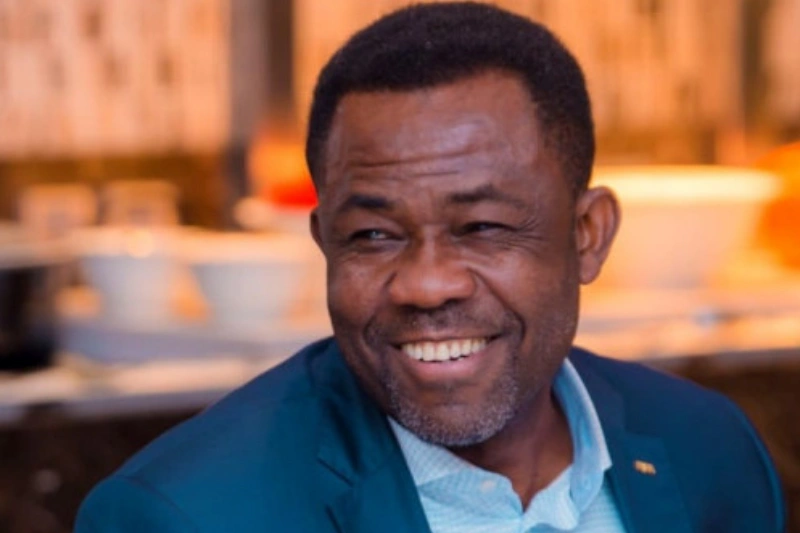

The Confederation of African Football is facing mounting pressure after its Secretary General, Véron Mosengo-Omba, resigned on Sunday, 29 March 2026, in the midst of one of the most contentious periods in the organisation’s recent history, with the CAF general secretary resignation adding to the growing sense of instability.
In a statement issued from Cairo, Mosengo-Omba said he was stepping down to pursue personal projects after more than three decades in football administration. He added that he was leaving “with peace of mind,” having addressed allegations that had circulated in recent months.
His departure, however, comes at a sensitive moment for African football’s governing body, with a major disciplinary dispute and internal tensions placing CAF under increased scrutiny.
CAF General Secretary Resignation Amid Mounting Pressure
Mosengo-Omba, a Swiss national of Congolese origin, had served as CAF’s top administrator since 2021. Before joining CAF, he held roles at FIFA, where he worked closely within football development structures.
His tenure at CAF coincided with a period of attempted institutional reform under the leadership of CAF President Patrice Motsepe. The organisation has in recent years sought to improve financial oversight, governance standards and commercial operations.
Despite those efforts, CAF has continued to face internal challenges. Reports of staff dissatisfaction and concerns over workplace culture led to an internal review, which cleared Mosengo-Omba of wrongdoing but did little to fully resolve tensions within the organisation.
Speaking after the resignation, Motsepe acknowledged the development without elaborating on the circumstances, saying CAF would outline next steps in due course.
AFCON Final Dispute Escalates
The resignation comes as CAF deals with the fallout from a controversial decision involving the Africa Cup of Nations final. The CAF general secretary resignation has further intensified attention on how the organisation is handling the situation.
CAF’s appeals structures ruled that Senegal had forfeited the final against Morocco after players walked off the pitch in protest during the match in Rabat. The decision resulted in a three-nil technical defeat being awarded and Morocco being declared champions.
Senegal’s football authorities have rejected the ruling and moved to challenge it through formal legal channels, arguing that the decision is inconsistent with established laws of the game. The case has been submitted to the Court of Arbitration for Sport for adjudication.
The dispute has attracted attention across African football, with observers noting that the outcome could influence how similar incidents are addressed in future continental competitions overseen by the Confederation of African Football.
Leadership and Governance Questions
The CAF general secretary resignation is likely to intensify questions about governance within CAF at a time when the organisation is already under pressure.
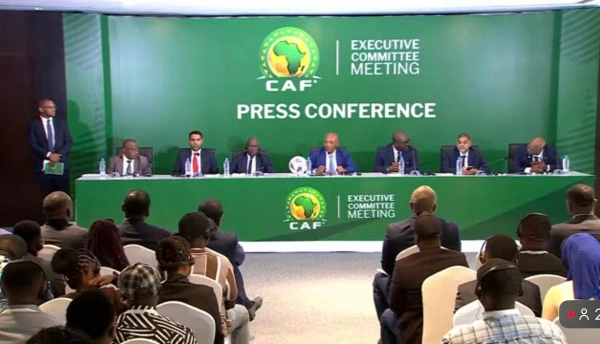
While his tenure included attempts to modernise administrative structures, it was also accompanied by internal disagreements. Within African football circles, some observers have pointed to deeper structural concerns, particularly around how decisions are made and how transparent those processes are within the Confederation of African Football.
His previous links to Gianni Infantino, under whom he worked during his time at FIFA, had also placed him at the centre of debates about influence and reform within African football governance.
For CAF, the challenge now lies in managing both leadership transition and ongoing disputes without further eroding confidence among member associations and stakeholders.
Next Steps for CAF
CAF has yet to announce an interim or permanent replacement for the secretary general role.
The organisation is expected to prioritise continuity in its administrative functions while addressing the legal and reputational implications of the AFCON dispute. The timing of any new appointment may prove critical, particularly as proceedings at the Court of Arbitration for Sport move forward.
Observers say CAF’s response in the coming weeks will be closely watched, not only for how it resolves the immediate crisis but also for what it signals about the organisation’s longer-term direction.
A Defining Period for African Football
The convergence of a senior leadership exit and a high-profile disciplinary dispute has placed CAF at a pivotal moment.
In recent years, the organisation has sought to strengthen its global standing. The current situation, however, underscores the difficulty of maintaining consistent standards in governance, accountability and competitive integrity.
How the ongoing legal case is resolved, and how CAF manages its leadership transition, will play a key role in shaping perceptions of football administration across the continent.
The CAF general secretary resignation, plus the unresolved AFCON dispute, reflects a broader moment of uncertainty for the organisation and its leadership.
For the moment, CAF enters a period of uncertainty. Its response in the weeks ahead is expected to be closely watched by member associations and stakeholders alike.


