



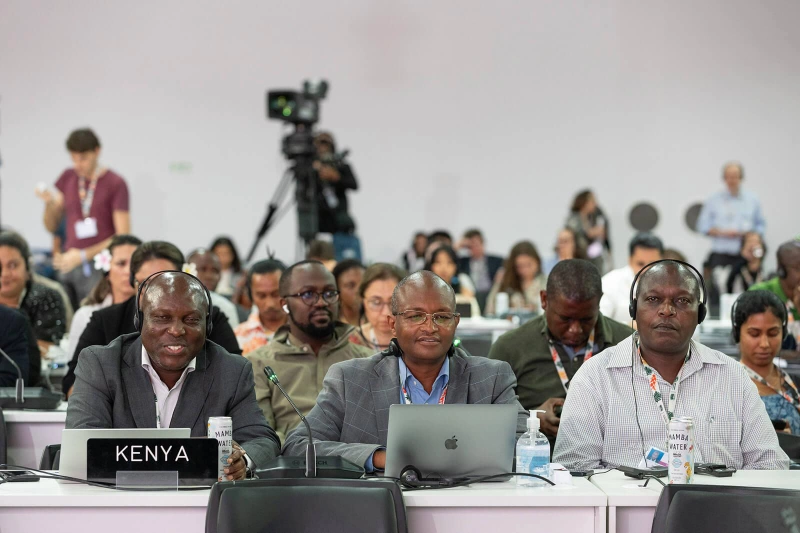

Africa went to Antalya seeking a clear figure, a timetable and a way to track the money promised for climate adaptation. It left with another year of negotiations.
The disappointment over COP31 climate finance was visible before the final session had ended. On Sunday 22 November, Ghana’s Environment Minister, Dr Zanetor Agyeman-Rawlings, was reading the African Group of Negotiators’ closing statement when COP31 President Murat Kurum interrupted her. She was speaking for a bloc of 54 countries, not Ghana alone.
The interruption briefly became the most visible moment of the closing plenary. But the dispute behind it was about something much larger: whether vulnerable countries would leave the summit with a credible path to the funding they need to cope with climate change.
Ghana currently chairs the African Group of Negotiators. Its chair, Nana Dr Antwi-Boasiako Amoah, objected immediately, telling Kurum that other delegations had been allowed to speak without interruption. Agyeman-Rawlings then took the floor again.
“I was rudely cut off during my delivery,” she told the Turkish environment minister, describing the incident as part of the disrespect African delegates had experienced during the talks. Kurum apologised to her and the group, saying he had intended to maintain order and had not meant to single Ghana out. Agyeman-Rawlings accepted the apology and completed the African statement.
The exchange drew attention to the conduct of the presidency, but her substantive message was less about the interruption than the outcome. Africa had entered the negotiations seeking an ambitious agreement that would deliver on existing commitments. Instead, COP31 climate finance negotiations ended without the quantified adaptation funding pathway the continent had demanded.
The central COP31 climate finance dispute concerned the promise to triple adaptation finance by 2035. An earlier draft of the proposed Antalya decision had included a figure of at least $120 billion annually. That amount disappeared from the revised text circulated on 19 November. The later draft retained the call to triple finance but provided neither a numerical target nor a baseline from which progress could be measured. It left further work on baseline options to a report expected in 2027 and proposed an Antalya-to-Addis Ababa roadmap on adaptation and resilience finance.
For African governments, that was not a minor drafting change in the COP31 climate finance negotiations. The question is whether the promise will be matched by resources that can be planned for and accessed. Without a baseline, countries cannot easily assess whether finance is increasing. Without annual milestones, there is no clear way to judge whether the promise is being delivered. And without predictable funding, governments face difficulty planning the infrastructure, agricultural protection, water systems and public services needed to withstand climate shocks.
The scale of the COP31 climate finance challenge is set out in the United Nations Environment Programme’s Adaptation Gap Report 2026. International public adaptation finance from developed to developing countries reached between $28.2 billion and $31.7 billion in 2024. Developing countries, however, are projected to need $305 billion every year by 2035.
Even if the aspiration to triple international public adaptation finance is achieved, UNEP says it would cover only 20 to 29 per cent of estimated needs. The figures are global rather than Africa-specific, but they show why COP31 climate finance was central to the demands of countries with limited resources and growing exposure to floods, droughts, heat and other climate impacts. They also explain why the debate cannot be separated from the question of who pays for adaptation and how that support reaches vulnerable communities.
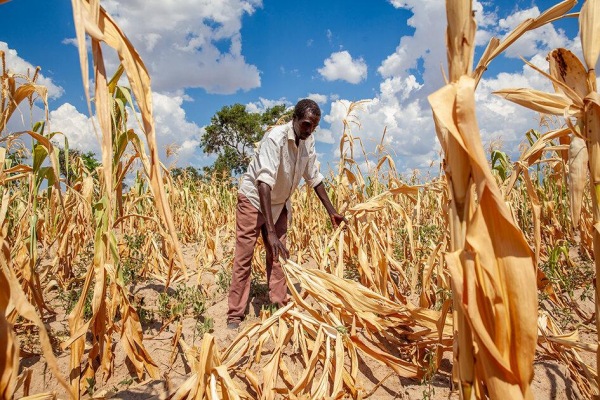
Agyeman-Rawlings made that distinction at the closing plenary. She said Africa was disappointed by the lack of meaningful progress on adaptation finance and described the outcome as a regression from the progress made at COP30 in Belém. She also criticised the limited attention given to National Adaptation Plans and the failure to deliver a meaningful outcome on the Global Goal on Adaptation.
Those plans are not simply paperwork. They are also where the COP31 climate finance debate must ultimately lead: from international pledges to funded national priorities. They are intended to help countries identify climate risks and set out the policies, investments and institutions needed to respond. Without adequate, predictable and accessible support, they can remain plans on paper rather than programmes that protect communities.
The African Group also raised concerns about loss and damage, trade and the conditions attached to climate funding. Its position was that countries should not be given additional responsibilities without the financial, technological and capacity-building support to carry them out. It opposed double counting and excessive reliance on loans, which can add to debt burdens in countries already under fiscal pressure.
The wider negotiations were divided over fossil fuels. The European Union, the United Kingdom, Panama, Norway, Vanuatu and the Marshall Islands opposed the proposed overarching text because it did not mention fossil fuels. Saudi Arabia and Russia resisted language on the issue. With UN climate decisions requiring consensus, the disagreement helped prevent agreement on the presidency-led Antalya Pact.
That does not mean COP31 produced no outcomes. Countries adopted decisions on several negotiating issues, including just transition, adaptation and climate finance, and advanced work on electrification and other areas. The United Nations climate secretariat said progress had been made on key parts of the Paris Agreement, while acknowledging that parties failed to agree on the overarching political decision.
The distinction matters. The summit did not erase existing climate commitments, but it did not resolve the political disagreements that prevented a broader agreement. For African countries, the practical test will be whether the next round of talks turns the adaptation finance promise into figures, timelines and accessible funding.
That work now moves towards COP32 in Addis Ababa in November 2027. The proposed Antalya-to-Addis Ababa roadmap is expected to carry the discussion forward, but the central questions remain: what amount will be delivered, against which baseline, on what timetable, and with what accountability?
Africa will host the next summit after leaving Antalya without the clarity it sought. Its governments will have an opportunity to put adaptation finance at the centre of the agenda, but hosting the conference is not the same as securing an outcome.
The interruption of Ghana’s minister may be the image many remember from the closing plenary, but it should not obscure the unresolved COP31 climate finance question. The more consequential question is whether, by the time delegates gather in Addis Ababa, COP31 climate finance promises will have become money that vulnerable countries can actually access.


