The brutal killing of seven-year-old Nada-Jane Challita has once again pushed South Africa to face its most painful reality, violence against women and children.
This week, a Western Cape court handed 22-year-old Damion Geldenhuys a life sentence for abducting, raping, and murdering the little girl in Paarl last year. The judgment drew sighs of relief from her family, but also reopened a conversation South Africans know too well.
Gender-based violence is not new here. It is a wound that bleeds across the country. Police figures show that a woman is murdered every three hours, and tens of thousands of rape cases are logged each year. As high as the the numbers are, it does not always tell the full story; many crimes are never reported, silenced by fear, shame, or distrust of the system.
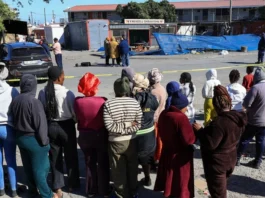
In Paarl, the memory of Nada-Jane lingers beyond the headlines. Neighbours described her as lively and always smiling, a child whose future ended in unimaginable cruelty. Her death has left scars not only on her family but across the entire community.
The court ruling was welcomed, but campaigners say one sentence does not undo a broken system. Convictions are rare, and survivors often walk a long and lonely road for justice. “It should not take such a horrific case for South Africa to wake up,” said a Cape Town-based activist, who pointed out that most families never see closure.
Authorities have tried to respond, from special sexual offences courts to the national action plan against gender-based violence. Critics in communities and civil groups say most of the programs start with energy but fade quickly, money runs short, cases are not tracked, and officials lose focus. People here often say they have heard the speeches before, yet little changes in their daily lives.
For many in Paarl, Nada-Jane’s story is both heartbreaking and unsettling. Her family may now have a court verdict to hold on to, but countless others still wait for justice, and the wider problem of violence remains as heavy as ever. Campaigners insist that safety for women and children cannot be left to chance or to one-off cases that capture public anger.
For residents of Paarl, the story is deeply personal. For South Africa, it is another painful reminder that the fight against gender violence is far from won.