



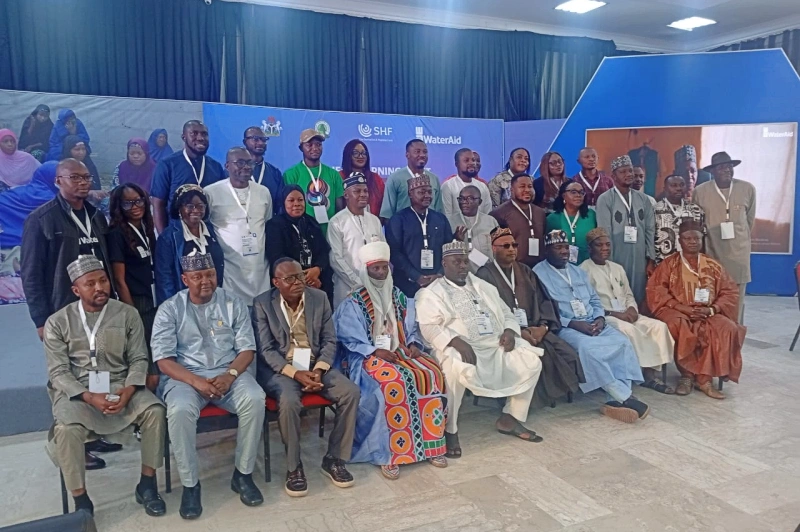

ABUJA, Nigeria, Sept. 30, 2026 – Stakeholders in Nigeria’s sanitation sector on Tuesday called for lessons from the Bauchi sanitation project supported by WaterAid Nigeria and the Sanitation and Hygiene Fund (SHF) to be replicated across the country, arguing that ending open defecation will require stronger sanitation markets, sustainable financing, behaviour change and greater private-sector participation alongside government investment.
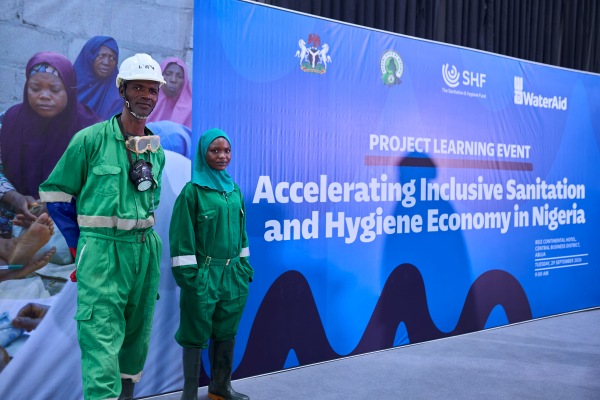
The call came at the learning event of the Accelerating Inclusive Sanitation and Hygiene Economy in Nigeria Project, a two-year intervention implemented in Jama’are, Misau and Tafawa Balewa Local Government Areas of Bauchi State.
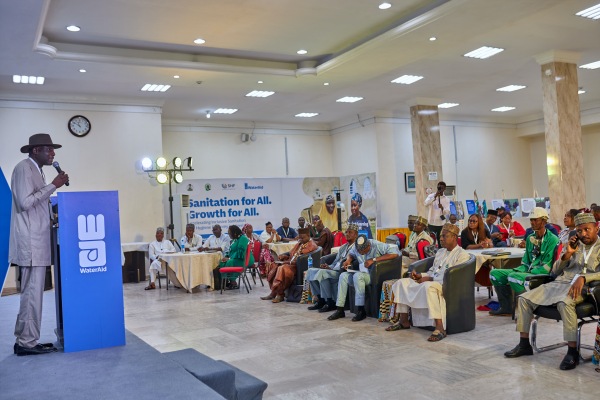
Delivering the keynote address on behalf of the Minister of Water Resources and Sanitation, the Permanent Secretary of the Federal Ministry of Water Resources and Sanitation, Dr. Emanso Okop Umobong, said the most important question arising from the Bauchi sanitation project was not simply what it had achieved, but what lessons could be applied across Nigeria.
The critical question before us should not simply be: ‘What did the project achieve?’ The more important question is: ‘What have we learned, and how can those lessons be institutionalised, replicated and taken to scale across Nigeria?'”
Dr. Umobong said the SHF-supported intervention had generated important lessons for Nigeria’s sanitation sector as the country works towards universal access to sanitation and hygiene services and seeks to eliminate open defecation.
She stressed that the end of the project should not be viewed as the conclusion of the work.
“The conclusion of the SHF-supported project should mark not an end, but a transition from project implementation to broader sector learning, institutionalisation and action.”
The Bauchi sanitation project was conceived in response to recurring cholera outbreaks, open defecation, inadequate sanitation services and limited access to safe hygiene practices in vulnerable communities across the state. Rather than focusing solely on toilet construction, the intervention combined sanitation demand generation, hygiene behaviour change, market-based sanitation financing, governance reforms and innovative sanitation technologies.
In her welcome remarks, Evelyn Mere, Country Director of WaterAid Nigeria, said the project had demonstrated that sanitation investments can deliver economic opportunities alongside health benefits.
We are here to demonstrate that, in addition to the fulfilment of rights, protection of dignity and improvements of health outcomes, sanitation is also an economic opportunity that can create jobs, alleviate poverty, create wealth, sustain livelihoods and grow the economy.”
According to WaterAid, the Bauchi sanitation project supported the construction of more than 16,400 basic household toilets and 4,500 safely managed sanitation facilities across the three LGAs. More than 1,283 communities attained Open Defecation Free (ODF) status, improving sanitation access for 484,449 people, while hygiene promotion campaigns reached approximately 900,000 people through community engagement, mass media and digital communication platforms.
Mere said the project strengthened sanitation systems, stimulated sanitation markets, advanced innovation and enhanced gender inclusion during its 24-month implementation period. She noted that women and young people had emerged as sanitation entrepreneurs, expanding businesses, generating income and making sanitation products and services more accessible to households.
“Behind every statistic is a human story.”
She said those stories included communities that had moved from repeated cholera outbreaks and open defecation to becoming examples of cleanliness and collective action, as well as women entrepreneurs whose businesses had expanded while improving sanitation services in their communities.
Presentations during the learning event showed that the Bauchi sanitation project deliberately moved beyond traditional sanitation programming by adopting what stakeholders described as a sanitation economy approach. The model linked behaviour change, market development, local financing and government leadership to accelerate access to safely managed sanitation while creating opportunities across the sanitation value chain.
Officials said the Bauchi sanitation project demonstrated that communities often require more than awareness campaigns to improve sanitation outcomes. Many households face barriers including weak sanitation markets, limited access to affordable technologies, rising construction costs and inadequate financing options.
To address those challenges, the project invested heavily in sanitation entrepreneurship. WaterAid reported that 87 Toilet Business Owners, 175 pit emptiers and 75 hygiene entrepreneurs received training across the three LGAs. The initiative also linked sanitation businesses with households, financial institutions and government agencies to stimulate demand for improved sanitation products and services.
A major lesson emerging from the Bauchi sanitation project was the importance of access to finance. To improve affordability, the intervention established 45 WASH Village Savings and Loan Associations that enabled households to save collectively for toilet construction and upgrades. Participants contributed approximately ₦1.6 million through the scheme, providing a community-based financing mechanism for sanitation investments.
The Bauchi sanitation project also delivered large-scale hygiene behaviour change campaigns. More than 108,000 people were reached directly through household and community engagement activities, while over 857,000 people received hygiene messages through radio broadcasts, billboards and other mass-media platforms. Campaign messages focused on handwashing, safe water management, food hygiene, toilet use and cholera prevention.
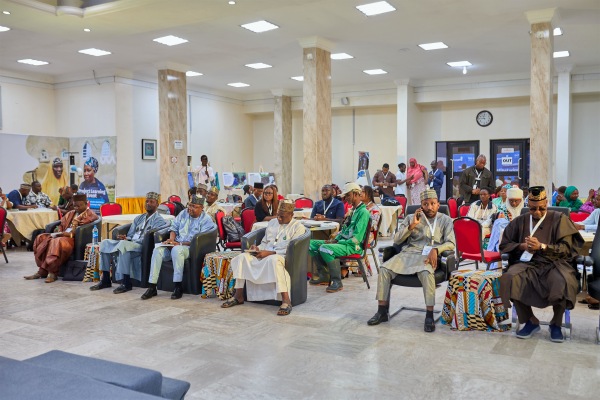
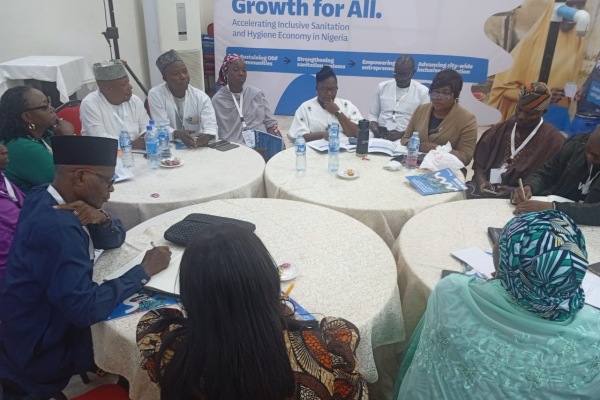
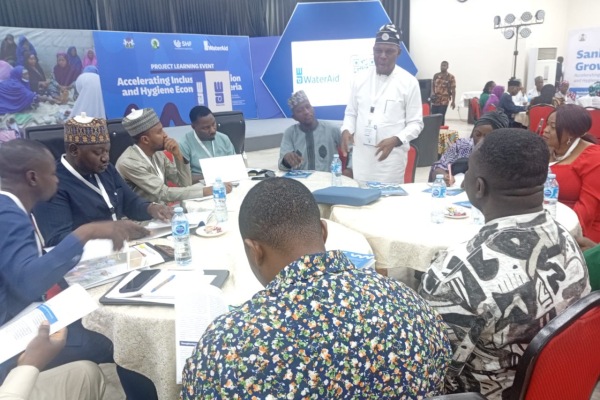
Government officials used the event to highlight the importance of sustaining sanitation gains already achieved under the Clean Nigeria Campaign. Dr. Umobong said Nigeria now has 178 Local Government Areas that have attained Open Defecation Free status, but warned that maintaining those gains would require continued investment, community ownership and stronger sanitation systems.
Also speaking, Jamilu Habu, Director of Water Quality Control and Sanitation at the ministry, said achieving universal access to safely managed sanitation requires far more than infrastructure provision.
“Achieving universal access to safely managed sanitation and hygiene services requires strong institutions, effective policies and regulations, sustainable financing, behavioural change, private-sector participation, reliable data and coordinated action.”
Participants also discussed the role of Citywide Inclusive Sanitation (CWIS) in expanding access to safe sanitation services. WaterAid said the Bauchi sanitation project introduced locally accessible solutions such as Gulper technology and CWIS approaches to strengthen the sanitation service chain and improve long-term sustainability.
Throughout the discussions, speakers repeatedly argued that the Bauchi sanitation project should serve as a practical model for states seeking to expand sanitation access, reduce cholera risks and strengthen local sanitation economies.
As the learning event concluded, stakeholders agreed that the significance of the Bauchi sanitation project extended beyond the thousands of toilets constructed and communities declared ODF. The broader lesson, they said, was that sanitation programmes can improve public health, create jobs, empower women, strengthen local markets and contribute to economic development when communities, governments, civil society and the private sector work together.
Ending on a note of optimism, Mere said the lessons from the Bauchi sanitation project could help shape future sanitation interventions across Nigeria.
“We believe that we have demonstrated models that can be replicated across the country.”


