Isa Sani was one of only fifteen people who walked out of the Kadauri gold pit alive. “We are lucky to be rescued alive,” he told Reuters from his hospital bed. He recalled that more than a hundred men had been working the shaft when it gave way. A year on, Nigeria still cannot agree on how many did not make it out of the Zamfara mine collapse.
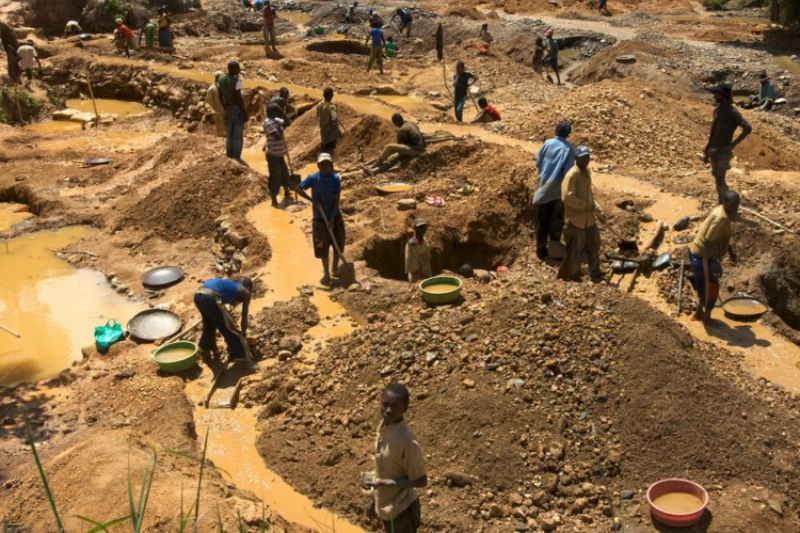
The Zamfara mine collapse happened on the night of 25 September 2025. A boulder loosened by days of rain crashed through a gold pit near Kadauri village in Maru local government area. Scores of artisanal miners were below ground at the time, drawn there by fresh traces of gold in the area’s loose, sandy soil.
By Friday morning, the state’s emergency agency had confirmed only that pits had collapsed. It gave no figure for how many people were trapped inside. Its executive secretary, Bala Ahmad, told the News Agency of Nigeria that he was still in meetings and would share details later.
Details instead came from the men digging with their bare hands. Miner Sani Lawwali, who joined the rescue, told AFP that his team had pulled eighteen bodies from the rubble. Five survivors had been freed, he said, with a dozen more still unaccounted for. “The process is slow and laborious,” he said, describing how rescuers chiselled through solid rock without machinery.
Community leader Abubakar Nabube put the toll from the Zamfara mine collapse at eighteen dead. Most of the dead, he said, came from the nearby villages of Maikwanugga and Damaga. Hausa-language broadcaster HausaTV carried a starker figure still, reporting fears that more than a hundred people had died at the site.
Then came the federal government’s account, and it matched none of the above. Three days after the Zamfara mine collapse, the Ministry of Solid Minerals Development said only fifteen itinerant workers had been trapped in total. Thirteen bodies had been recovered, none of them alive. Two more remained missing.
Minister Dele Alake called the tragedy “avoidable and unfortunate.” He blamed heavy rain and illegal miners who he said had mobilised untrained workers with rudimentary tools once gold was found. “I received with deep shock the report of the unfortunate incident in Zamfara,” he said, promising the site would be sealed once recovery ended.
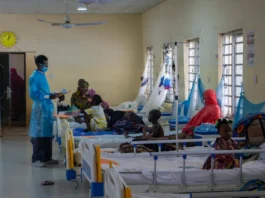
That official figure of fifteen leaves no room for a rescued survivor. Yet Isa Sani gave his account of the Zamfara mine collapse to Reuters from a hospital bed. He was, he said, one of fifteen people pulled out alive from a workforce he numbered above a hundred. Fellow resident Sanusi Auwal, searching the rubble for his own cousin, gave Reuters the same figure. “Over a hundred miners were involved during the collapse,” he said.
The gap between these two versions of the Zamfara mine collapse is not a rounding error. It is the difference between an isolated accident involving fifteen registered workers and a mass casualty event involving a hundred or more informal labourers who left no paper trail behind them.
The Zamfara mine collapse exposed how undocumented Nigeria’s artisanal mining sector really is, and how frequently illegal. That makes the larger figure hard to disprove, and easier still for officials never to confirm.
The Zamfara mine collapse was meant to mark a turning point. Alake pointed to a federal task force that had, by his account, arrested over three hundred illegal miners in the year before the tragedy. It had sealed 98 illegal sites across ten states, he said. The ministry also announced satellite surveillance to catch the next collapse before it happened.
A year later, those promises ring hollow. Reports from Zamfara this week indicate that more than one hundred miners may again be trapped after another pit collapse. Rescue teams are still searching through the debris, with fatalities already reported. If confirmed, the disaster would place Zamfara back at the centre of the same safety crisis officials vowed to address after the Zamfara mine collapse. Survivors and rescuers at the latest site have again described chaotic conditions, uncertain casualty figures and desperate recovery efforts reminiscent of the Zamfara mine collapse itself.
Four miners died in Plateau’s Dura community within days of the Zamfara mine collapse. Two children digging for laterite were killed in Sokoto’s Goronyo area in May.
In Niger State, detainees arrested over suspected illegal mining died in custody in September, prompting Alake to despatch officials to investigate. On 22 September this year, six more people died when a pit gave way near Bokkos in Plateau State. Among them was a grandmother who survived only because she fell clear while carrying her granddaughter on her back.
A year after the Zamfara mine collapse, Nigeria still holds gold, lithium and rare earth deposits that multinational investors are courting with growing interest. Almost none of that wealth reaches the men who dig it out by hand. Neither, it seems, does an accurate count of what the digging costs them.
Until Nigeria can agree on how many people were actually in the Kadauri pit when it gave way, it will struggle to prevent the next disaster. One year after the Zamfara mine collapse, another rescue operation is already underway, and many of the same questions remain unanswered.