



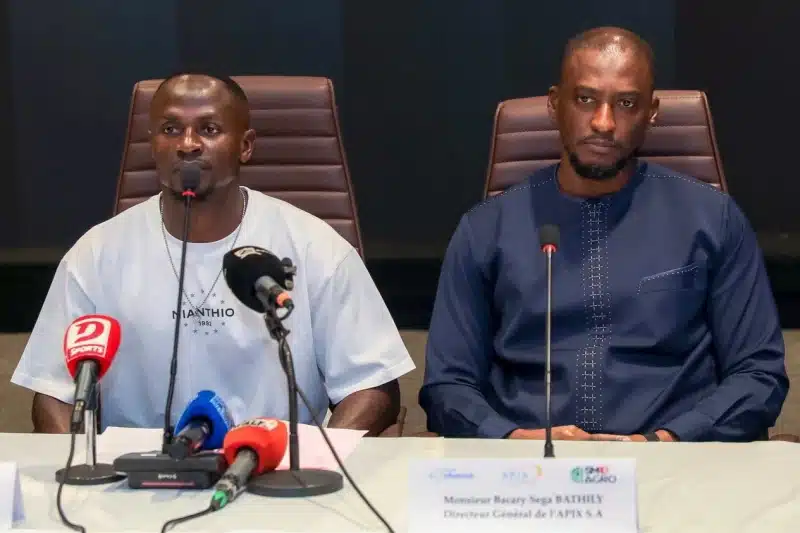

The Bambali agro-industrial project is Sadio Mané’s most ambitious investment yet, turning football earnings into a $19.5 million wager on mangoes rather than mansions.
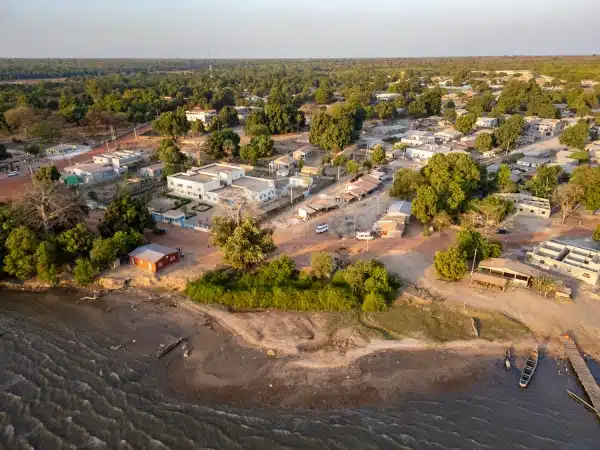
Tomorrow, 19 September 2026, workers will lay the first stone. The site sits in the Senegalese village where Mané grew up, long before Liverpool ever heard his name. He announced the plan himself in Dakar two days earlier. The figures are not modest.
The Bambali agro-industrial project carries a price tag of 11.7 billion FCFA, equivalent to nearly $19.5 million. The investment is being funded entirely from Mané’s own resources, according to Bloomberg. The park will cover 500 hectares near his home village and eventually host around 78,000 mango trees.
This is not Mané’s first act of generosity in the area. He has already financed a mosque, a hospital, a seventeen-classroom secondary school, housing, boreholes, a post office and a petrol station nearby.
Those were gifts. The Bambali agro-industrial project is something different. It is designed to generate jobs, create value and build a sustainable local industry rather than simply provide charitable support.
The real story sits behind the ribbon-cutting language. Senegal loses between 30 and 40 per cent of its mango harvest every year. Farmers often lack the storage, transport and processing facilities needed to prevent fruit from spoiling before it reaches the market. Mané told reporters in Dakar, as quoted by SenePlus, that this is precisely the gap the project aims to close.
At the heart of the Bambali agro-industrial project sit four processing units dedicated to fresh mango exports, mango pulp, dried fruit and mango butter. Annual processing capacity is projected at 8,500 tonnes. A training centre will teach modern farming methods to local growers and cooperatives, while worker housing is also included in the development plan.
The jobs figures tell their own story of ambition. Through the Bambali agro-industrial project, Mané says more than 1,000 direct jobs will be created when operations begin. That figure could rise to nearly 2,500 once the site reaches full capacity. For a region with limited industrial activity, it represents one of the largest private employment initiatives in recent memory.
Construction is expected to take about eighteen months. If timelines hold, the first products could begin leaving the factory by early 2028. The schedule roughly coincides with the period when Mané, now 34 and playing in Saudi Arabia, may begin looking beyond his football career.
Contrast is what makes the Bambali agro-industrial project worth watching. A player once paid millions to score goals is now investing a similar amount in a fruit that already grows across Casamance. Football provided the capital. Mangoes will determine whether the investment succeeds.
The environmental and social impact assessment is still being finalised, Mané said, with the completed report expected within days. Local authorities, including the regional governor, the prefect and the mayor of Bambali, have participated in planning discussions from the outset.
Whether the pulp, dried fruit and mango butter produced here eventually find markets in Paris, Dubai or elsewhere remains an open question. What is certain is that the Bambali agro-industrial project is attempting something rarely seen in African football philanthropy: transforming personal wealth into an industrial enterprise with long-term economic ambitions.
The first stone goes into the ground tomorrow. What grows from the Bambali agro-industrial project will take much longer to judge, but its success or failure could become a test case for African-owned agro-processing at scale.


