For a few hours on Wednesday morning, nobody at Mekelle’s airport needed a boarding pass to know that something had shifted. The runway was still there. The terminal was still standing. But the people controlling the airport were no longer the same people who had been in charge the night before.
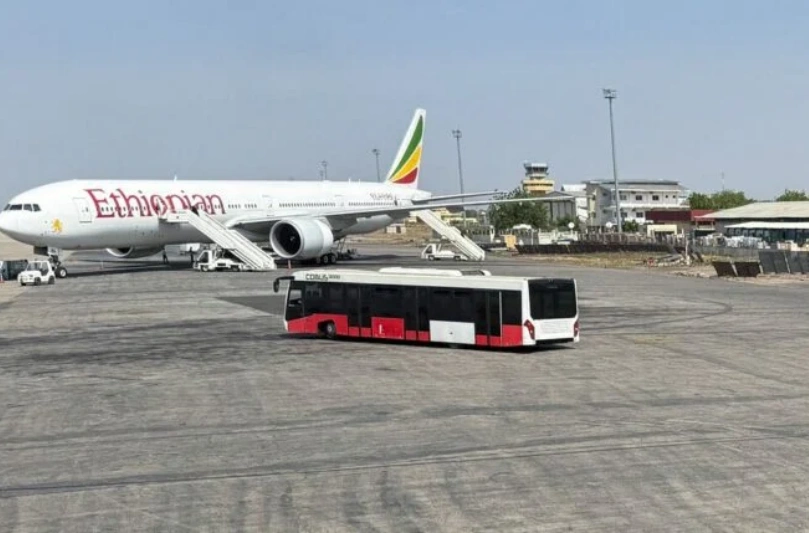
Ethiopian Airlines confirmed on Wednesday that the Mekelle airport takeover had prompted it to suspend all flights to Mekelle, Axum and Shire from September 23, citing the “current situation” in the Tigray region. The carrier said flights had been temporarily suspended and apologised to customers, adding that it would inform them once operations resumed. It gave no timetable.
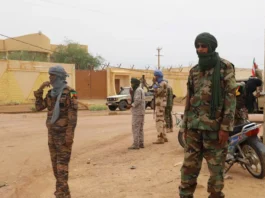
The decision followed the Mekelle airport takeover reported overnight, when Tigrayan forces seized the airport in the regional capital from federal police, according to local and security sources. Local sources said the forces had taken control of the facility from federal police, while AP reported that fighters from the Tigray People’s Liberation Front were among those occupying the airport.
What makes the Mekelle airport takeover unsettling is not the noise it made but the absence of it.
An airport employee told AFP that the change of control came through a phone call, not a firefight. The employee said a supervisor called the driver and told him that the airport had been taken over by Tigray forces. With no flights operating, staff were sent home.
That calm sits awkwardly beside the accusations now flying between Addis Ababa and Mekelle. Spokespeople for Prime Minister Abiy Ahmed, the federal government and the Tigray People’s Liberation Front did not immediately respond to requests for comment on the airport takeover.
The competing accounts of the wider fighting make the picture even less certain. Tigray’s regional authorities said their forces had entered a “defensive war” after accusing federal forces of attacking the region with drones and heavy artillery. Getachew Reda, an adviser to Abiy’s government and former senior TPLF figure, accused the TPLF of launching an offensive against government positions in Afar and Amhara.
Neither account independently establishes the full sequence of events on the ground.
Alula Aba Nega Airport is not a peripheral asset. It is one of Tigray’s main links with the rest of Ethiopia, particularly for passengers travelling between Mekelle and Addis Ababa. That makes the Mekelle airport takeover more than a change in who controls an airfield; it immediately affects one of the region’s most important connections with the federal capital.
The airport has also been caught up in the region’s previous conflict. The Tigray People’s Liberation Front fought federal forces during the 2020-2022 war, which ended with the Pretoria peace agreement in November 2022. Flights to the region were disrupted during the conflict before scheduled services resumed after the peace deal.
The Mekelle airport takeover this week is not the first disruption of 2026 either. Flights to the region were suspended for several days after clashes earlier in the year before services to Mekelle, Axum and Shire resumed. Whether the latest suspension follows the same short-lived pattern remains unclear.
What is different this time is the wider deterioration in relations between the TPLF and the federal government. Earlier the TPLF seized control of the regional government from the interim administration established under the peace agreement in May. Today it is the Mekelle airport takeover.
The Ethiopian military has also carried out several drone strikes against Tigrayan forces in recent months, according to data cited by Reuters. Against that backdrop, the airport takeover has become another visible sign of how quickly the security situation can affect civilian infrastructure.
The timing is what turns an airport story into a political one.
Three days before the Mekelle airport takeover, seven armed and opposition groups, including the TPLF, the Amhara Fano National Movement and the Oromo Liberation Army, announced a coalition called the Ethiopian Peoples’ Forces Alliance for Survival.
The alliance said the groups would work together against Abiy’s government and establish a transitional government under a new charter. The announcement came after months of worsening relations between the federal government and the TPLF.
The government’s response has included accusations that members of the new alliance have been collaborating with Eritrea. Addis Ababa has previously made similar allegations, while Eritrea has rejected accusations of supporting armed groups against Ethiopia.
Strip away the rhetoric and what remains is a peace agreement under considerable strain.
The 2020-2022 war killed hundreds of thousands of people, with an African Union estimate putting the death toll at about 600,000. Around one million people remain displaced, according to estimates cited by international reporting. Major elements of the Pretoria agreement, including unresolved territorial questions and the return of displaced people, remain sources of tension.
Grounded flights sound like an inconvenience until you consider what they carry.
Aid workers, patients travelling for medical treatment and passengers moving between Mekelle and Addis Ababa rely on regular air services. Ethiopian Airlines is the only carrier operating scheduled passenger flights to the region, although chartered aircraft can still reach Tigray.
That means the suspension removes the region’s regular scheduled air connection at a moment when access is becoming more difficult.
Ethiopian Airlines’ booking system tells its own small story. Search for a flight to Mekelle and the result reads “Not Scheduled” — a piece of software quietly recording a political fact.
The disruption also extends beyond Mekelle. Ethiopian Airlines suspended flights to Axum and Shire as well, effectively taking its scheduled passenger network out of Tigray while the security situation deteriorates.
There is a temptation to read the absence of violence at the airport as good news. It may yet prove to be. But the takeover has already demonstrated how quickly control of a critical piece of Tigray’s infrastructure can change.
The Mekelle airport takeover has also put the spotlight on how vulnerable the region’s civilian connections remain. An airport can continue to stand physically intact while becoming inaccessible to ordinary passengers almost overnight.
The airport changed hands without a reported firefight. Ethiopian Airlines responded by taking Tigray off its scheduled network.
What happens next will give real categorisation to this Wednesday’s disruption