Europe Africa relations are fraying. The strain goes far beyond routine grumbling about aid budgets and trade terms. Across the continent, governments once treated as reliable partners are quietly rearranging their diplomatic address books. Brussels and Paris are struggling to work out why.
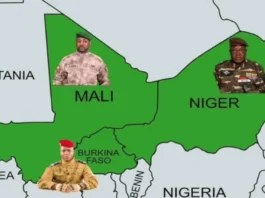
The shift in Europe Africa relations did not begin with a single event. It has been building for years. France has felt it first and hardest. Troops that once patrolled the Sahel under French command have been sent home from Mali, Burkina Faso and Niger.
Relations with Senegal and Ivory Coast, long seen as Paris’s most dependable allies, have grown noticeably cooler too. Analysts at the American Enterprise Institute note that once friendly nations have turned away from the West. Islamist insecurity spread through former French strongholds like Mali, and Paris struggled to respond.
France is not alone in this. The wider pattern shaping Europe Africa relations right now is one of governments talking at African capitals rather than talking with them. It is a pattern that repeats across the continent. That distinction sounds small. It has become the defining grievance of a new generation of African diplomats and citizens.
A commentary published by GIS Reports Online traces the decline to remarks Emmanuel Macron made about African demographics shortly after he took office in 2017. Those remarks were widely read across the continent as patronising rather than partnering.
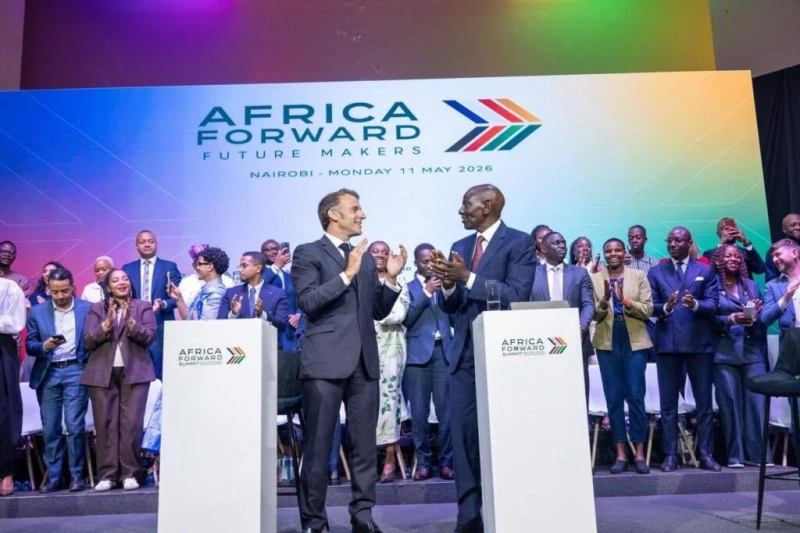
The Africa Forward Summit held in Nairobi in May brought that tension into the open. It was the first France Africa gathering staged outside the francophone world. It was meant as a symbolic reset on equal footing. Yet even there, the same GIS Reports analysis notes, Macron’s tone struck many African delegates as condescending. It undermined the very reset the summit was meant to deliver.
It would be too simple to blame Chinese lending alone for the cooling of Europe Africa relations, as much mainstream commentary tends to do. Money is part of the story behind changing Europe Africa relations. It is not the whole of it. What China, and increasingly Russia, offer that Europe has struggled to match is a posture of negotiation rather than instruction.
A Modern Diplomacy analysis of the great power contest in Africa observes that Russia has built its position on themes of sovereignty and non-intervention. It positions itself as an alternative to Western conditionality rather than simply outbidding it financially.
That posture matters to a continent increasingly led by people who did not live through the independence struggles their parents celebrate every May. One commentator, writing for the Pan African Review, argues that European diplomacy still functions on the assumption of African deference.
The continent’s older habit of pursuing Europe’s approval, rather than its own interests, is precisely what the term neocolonialism was coined to describe. Europe, the piece suggests, simply does not know how to deal with African governments that no longer defer.
There is an old Igbo proverb that captures the mood behind shifting Europe Africa relations better than any communique. Loosely translated, it means: even if he is the one feeding me, let me die of hunger. It is a defiant sentiment reserved for moments when respect has run out.
Variants of the same idea appear across Africa. A well-worn Swahili saying from Kenya holds that dry bread eaten at home outweighs roasted meat taken at someone else’s table. The politics now playing out between Europe and Africa reads like those proverbs given a passport.
Football has offered an unlikely but telling illustration of where the new confidence in Europe Africa relations now sits. FIFA president Gianni Infantino is fighting to survive a European revolt over a collapsed 4.2 billion dollar World Cup financing plan. He secured the unanimous backing of all fifty four Confederation of African Football member associations this week.
It is on record that CAF makes up more than a quarter of FIFA’s two hundred and eleven member associations. UEFA threatened to boycott future tournaments over the same row. CAF president Patrice Motsepe still stood firmly behind Infantino. It is a reminder that African votes now carry enough weight to decide contests Europe cannot control alone.
Younger Africans are watching all of this closely. They are not simply inheriting their parents’ anger at colonial history. Research cited by Chatham House points to a generation of digitally mobilised young people, now the majority of the continent’s population. They are prepared to disrupt long managed political outcomes if their leaders look too accommodating towards old power structures. That pressure is being felt directly by governments that once treated Europe Africa relations as a fixed hierarchy. It is no longer treated that way.
None of this means Europe Africa relations are collapsing entirely, or that African governments are abandoning Europe altogether. The European Union remains the continent’s largest trading partner by volume. Initiatives such as the EU’s Global Gateway infrastructure programme still draw serious investment interest. What has changed is the tolerance for being lectured while that investment is negotiated. African officials increasingly expect the same courtesy shown to partners in Beijing, Moscow or Abu Dhabi. They are prepared to look elsewhere when it is withheld.
For Europe, the practical stakes in Europe Africa relations are considerable. Africa sits on the continent’s southern doorstep. It holds some of the fastest growing economies on earth and controls resources central to the energy transition. Repairing Europe Africa relations now means doing it on African terms, not European ones. A failure to do so risks ceding permanent ground to rivals who have simply been better listeners. Italy, France, Russia and Turkey are all convening rival Africa summits within months of each other this year. The coming months will show whether Europe has actually absorbed that lesson, or is merely rehearsing new language for an old habit.