



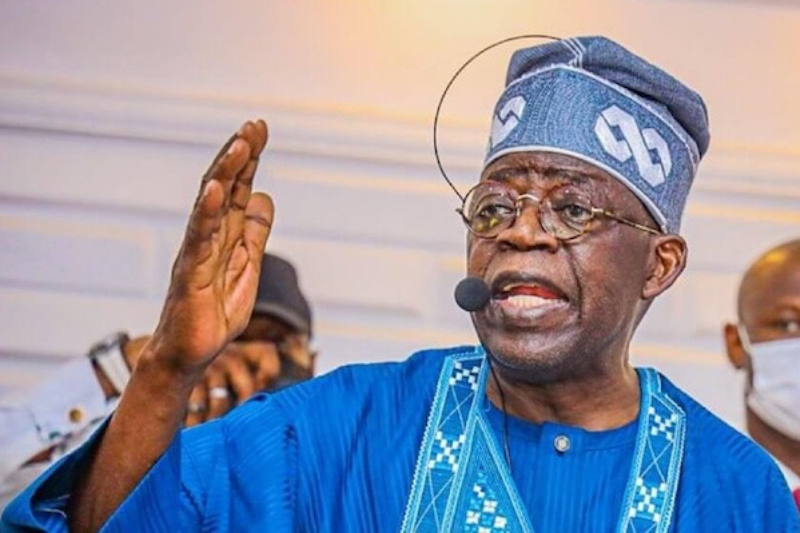
Tinubu new tax laws came into effect on January 1, 2026, despite public controversy. The rollout follows claims that the versions published in the official gazette differ from what the National Assembly approved, raising questions about legislative integrity, public trust, and compliance.
In a statement issued on 30 December, Tinubu rejected calls for suspension, insisting that the reforms are intended to harmonise Nigeria’s tax system rather than impose new burdens. He described the moment as the “delivery stage” of reforms long delayed by political hesitation, arguing that no issue raised so far justified disrupting implementation. The presidency maintained that the laws were the product of extensive consultations and warned against what it characterised as misinformation capable of derailing national progress.
The pushback intensified after claims emerged that provisions in the final gazetted versions of the tax laws differed from the texts approved by lawmakers. The controversy moved from speculation to institutional concern when the House of Representatives set up a seven-member committee to investigate alleged discrepancies, following a motion raised by Abdulsamad Dasuki. The allegation struck at the heart of the legislative process, raising questions not merely about tax policy but about whether the chain from parliamentary approval to executive assent had been compromised.
Concerns about the new tax laws and their implementation were raised by several institutional bodies. The Nigerian Bar Association, under the leadership of Afam Osigwe, called for a review of the legislation, highlighting the importance of maintaining confidence in Nigeria’s lawmaking process.
The Nigeria Labour Congress, civil society organisations, and professional associations also noted that enforcement of the laws would benefit from clarifications to ensure consistency and transparency.
Student organisations, including the National Association of Nigerian Students, indicated their interest in the process and emphasised the need for clear communication to avoid misunderstandings. The Arewa Consultative Forum also highlighted that addressing unresolved procedural questions would support smoother implementation of the laws.
Opposition parties, including the African Democratic Congress and the Peoples Redemption Party, warned that any confirmed tampering with legislation would represent a dangerous erosion of democratic safeguards.
The Federal Government, however, remained unmoved. Officials insisted that the substance of the reforms had not been altered and that public anxiety was being fuelled by misrepresentation. Taiwo Oyedele, chairman of the Presidential Fiscal Policy and Tax Reforms Committee, stated that approximately 98 per cent of Nigerian workers would either pay no PAYE tax or pay less under the new framework, while about 97 per cent of small enterprises would be exempt from corporate income tax, VAT, and withholding tax. The administration presented the reforms as redistributive, aimed at broadening the tax base while shielding low-income earners and small businesses.
Legal efforts to halt implementation also failed. Justice Bello Kawu of the Federal Capital Territory High Court dismissed a suit seeking to stop the rollout, removing a key procedural obstacle. Senate Leader Opeyemi Bamideledefended the president’s decision, accusing critics of deliberately misleading the public and politicising reforms designed to stabilise public finances.
Outside official circles, the public response was marked by deep scepticism. On social media platforms and call-in programmes, Nigerians questioned whether the state had earned the moral authority to demand greater tax compliance. References to unaccounted revenues from fuel subsidy removal, unresolved transparency issues surrounding the student loan scheme, and long-standing failures in service delivery featured prominently. For many, the issue was not taxation itself but credibility, with a recurring argument that compliance cannot be coerced where accountability is absent.
Viral posts and long threads warned that ordinary workers would ultimately bear the cost through VAT and income tax adjustments, while political elites remained insulated. One widely shared breakdown of the reforms in plain language amplified fears about rising costs of everyday goods. Regional undertones also surfaced, with some northern commentators rejecting official assurances of equity and viewing the reforms through the lens of existing economic disparities.
At the same time, a smaller but persistent set of voices cautioned against outright rejection. Economists pointed to Nigeria’s low tax-to-GDP ratio by global standards, arguing that sustainable governance is impossible without expanding domestic revenue. Comparative examples circulated online, including posts by Nigerians abroad detailing significantly higher tax obligations in countries with more reliable public services. The contrast reinforced a central theme of the debate: taxation is tolerated where citizens can see where their money goes.
Confusion was further inflamed by misinformation suggesting that gifts, remittances, and inter-account transfers would be taxed under the new laws. Government officials clarified that only income is taxable, not personal transfers, but the episode exposed gaps in public communication and amplified existing anxiety.
As the laws take effect, Nigeria’s new tax regime enters implementation under intense scrutiny. The reforms are no longer proposals to be debated but obligations to be enforced, yet they remain burdened by unresolved questions about process and trust. Whether they succeed will depend less on official assurances than on what follows: the outcome of legislative investigations, the transparency of revenue use, and the state’s ability to demonstrate that additional taxes translate into measurable public benefit.
For now, the reforms stand as law, but they also stand trial in the court of public confidence.

