By AfricanQuarters News Desk
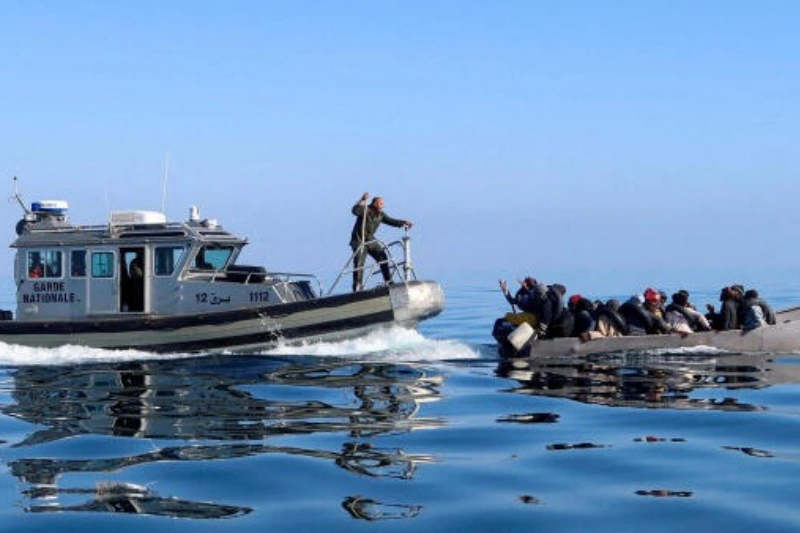
DERNA, LIBYA – Fears are mounting across eastern Libya following a fatal Libya Mediterranean boat capsize that occurred during a period of violent sea conditions. Search and rescue teams continue to patrol the shoreline today, as the sea continues to surrender victims from a vessel that went down earlier this week.
Local recovery units and global aid groups have pinned the timing of the disaster between 1 and 3 March 2026, just off the coast of Derna. While the exact number of people on board remains a mystery, multiple bodies have been pulled from the surf, and many more are presumed lost in the volatile Mediterranean currents. This tragedy adds to a grim tally for the year: more than 600 individuals have already been recorded as dead or missing on this specific route since the start of 2026.
Local recovery units and global aid groups have pinned the timing of the disaster between 1 and 3 March 2026, just off the coast of Derna. While the exact number of people on board remains a mystery, multiple bodies have been pulled from the surf, and many more are presumed lost in the volatile Mediterranean currents. According to latest data from IOM’s Missing Migrants Project, at least 606 individuals have already been recorded as dead or missing on this specific route since the start of 2026, marking the deadliest start to a year since recording began.
“The Central Mediterranean is not just a geographical route: it is a graveyard of desperation. As Cyclone Harry batters unseaworthy vessels, the Libya Mediterranean boat capsize near Derna serves as a harrowing reminder that for many, the sea is a risk preferred over the realities they leave behind.”
Understanding the Libya Mediterranean Boat Capsize Risk
The Libya Mediterranean boat capsize took place in the choppy waters separating Al-Tamimi and Umm Al-Razm. This stretch of coast, east of Derna, has seen a spike in departures recently as people smugglers shift their launch points to evade inland security. According to the Libyan Red Crescent, teams have retrieved 12 bodies so far, specifically along the beaches of Qasr Al-Akhyar and Ghanima.
During the initial chaos, Red Crescent workers from the Derna and Umm Al-Razm branches managed to pull a few survivors from the waves. These people were quickly moved to a Martouba detention facility overseen by the Anti-Illegal Migration Authority for medical checks. However, with the boat believed to have been dangerously overloaded, the small number of survivors suggests a much higher death toll.
Cyclone Harry and the “Invisible Shipwreck” Crisis
The sheer violence of a storm system dubbed Cyclone Harry is being blamed for this latest Libya Mediterranean boat capsize. The cyclone brought gale-force winds and four-metre swells to the region in late February and early March, making the crossing impossible for the flimsy rubber dinghies often used by traffickers.
Aid groups are now raising the alarm over “invisible shipwrecks,” where entire boats vanish without a trace or a distress call. While official records show 380 people missing from recent days, the group Mediterranea Saving Humans believes the real number is closer to 1,000. Many of these vanished boats launched from Zawia or Tobruk, key hubs for smuggling networks that profit from the desperation of those fleeing conflict in places like Sudan and Somalia.
The Legal Battle Over Return Policies
This surge in deaths comes just as the legal landscape is shifting. On 1 March 2026, Italy’s highest courts declared that returning intercepted migrants to Libya is a violation of international law. This ruling creates a massive headache for European authorities who have spent years funding the Libyan Coast Guard to do exactly that.
Despite the courts speaking out, groups like Doctors Without Borders say little has changed on the water. Interceptions continue, and those caught are often sent back to Libyan detention centres where conditions are described as inhumane.
A Deadly Corridor With No Easy Solution
The Libya Mediterranean boat capsize near Derna proves that the Mediterranean remains a death trap for the vulnerable. As long as war and poverty drive people toward the coast, and as long as there are no safe, legal ways to seek asylum, these tragedies will keep happening. Recovery teams in Derna are still out on the beaches today, but they are no longer looking for survivors: they are simply trying to give the dead a name and a burial.