



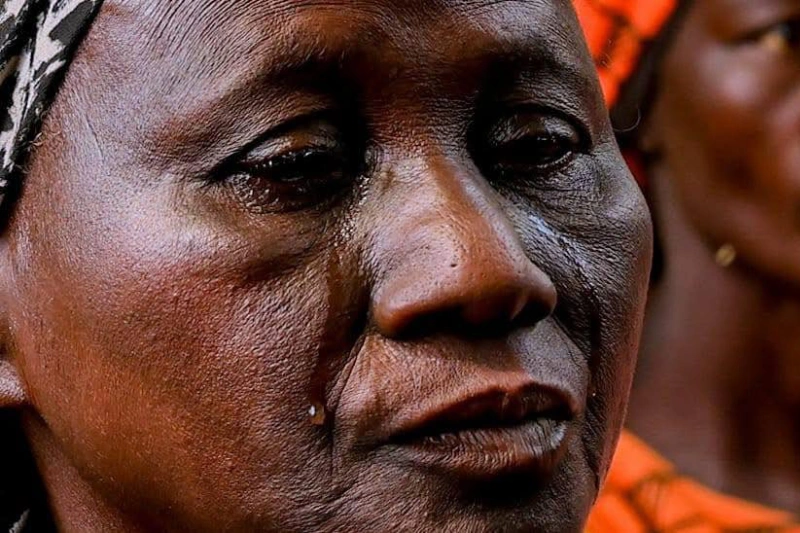
MADAGALI, Adamawa State — 27 February 2026
Local officials and community leaders have confirmed that at least 25 lives were lost following coordinated security breaches in Kirchinga and Garaha villages across Madagali and Hong Local Government Areas of Adamawa State. The incident has renewed debate around the broader Nigeria Security Crisis, particularly in remote border communities in the North East.
Survivors said the assailants, believed to be linked to Boko Haram, wore military-style camouflage. Residents reported that the disguise initially led many to assume the group were legitimate security personnel. As of press time, authorities have not released a detailed operational briefing on how the breach occurred.
The late Tuesday night incidents have raised fresh concerns about the circulation of military uniforms and the continuing vulnerability of rural settlements near conflict-prone corridors.
The Kirchinga Infiltration: “We Thought They Were Soldiers”
In Kirchinga, a border community in Madagali LGA and hometown of Governor Ahmadu Umaru Fintiri, at least 18 residents were confirmed dead, according to the village head, Abubakar Lawan Kanuri.
Kanuri said the attackers entered the community on motorcycles wearing what appeared to be standard-issue military uniforms.
“The residents did not flee because they assumed it was a routine patrol,” he said. “By the time the shooting began at the market square, people were already exposed.”
Community sources reported that the gunmen later retreated towards forested areas near the state’s northern boundary.
Security analysts note that the use of military-style attire by insurgent groups has been observed in previous incidents across the North East. Such tactics can create confusion among civilians, particularly during night-time movements. Defence authorities have yet to clarify how the uniforms may have been obtained.
Garaha: Direct Assault on Military Installation
In a near-simultaneous development, another armed group reportedly entered Garaha in Hong LGA on more than 50 motorcycles.
Unlike the Kirchinga incident, Garaha involved a direct confrontation with security forces stationed in the area. Local sources and security officials confirmed the following:
-
Three soldiers lost their lives during an exchange of gunfire.
-
A military facility was set ablaze.
-
Four civilians attempting to escape the area were killed.
-
Several buildings, including a school and residential properties, were destroyed.
The assailants are believed to have withdrawn towards areas bordering the Sambisa axis, historically associated with insurgent activity. Military authorities have not yet issued an official casualty breakdown or operational assessment.
Displacement and Fear in Mubi
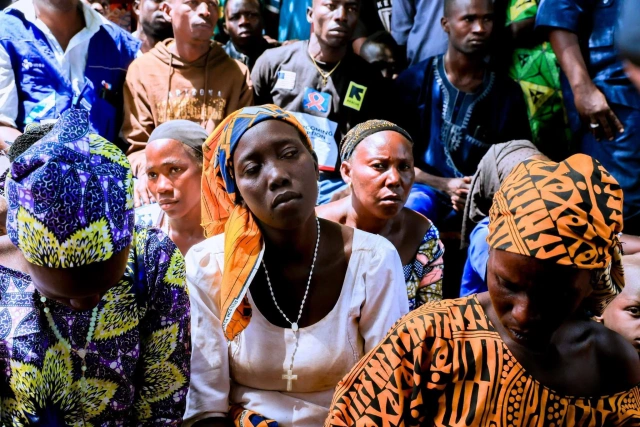
The incidents have prompted fresh displacement in affected communities. Residents from Madagali and Hong LGAs have begun arriving in Mubi, one of Adamawa State’s largest commercial centres.
Aid workers report that families are seeking temporary shelter with relatives and in informal settlements. Official displacement figures have not yet been released.
According to reports from the United Nations Office for the Coordination of Humanitarian Affairs (OCHA), north-east Nigeria remains one of the world’s most severe protection crises, with millions of people in need of urgent humanitarian assistance. The renewed displacement from Adamawa adds further strain to an already fragile response system.
One displaced resident, who requested anonymity for security reasons, said:
“People are afraid. If armed men can enter dressed like soldiers, it becomes difficult to know who to trust.”
State Response and Ongoing Investigations
Governor Ahmadu Umaru Fintiri condemned the violence and described it as an act of terrorism. He stated that the state government is working alongside federal security agencies to identify and apprehend those responsible.
Adamawa State continues to experience intermittent insurgent activity due to its proximity to conflict zones in neighbouring Borno State. Although security operations in recent years have reduced the scale of attacks, rural communities remain exposed to cross-border incursions.
Security agencies have reportedly increased patrols in the affected areas. Meanwhile, community leaders are calling for stricter regulation of military uniforms and improved early-warning mechanisms for vulnerable border settlements.
Investigations remain ongoing.

