



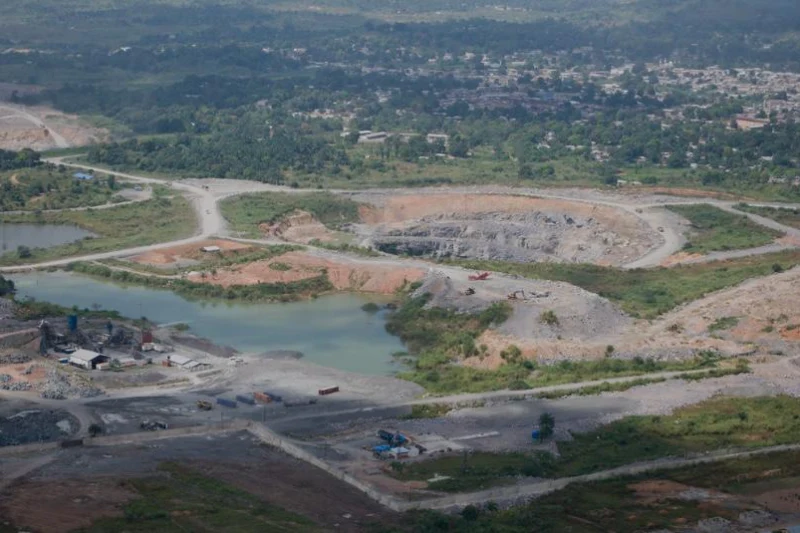
Editor’s Note: AfricanQuarters and JustAfricaNews have reported on labour disputes, worker protests, and negotiations involving Koidu Holdings Limited on multiple occasions over the past eight months. This report builds on that earlier coverage, presenting new testimonies, legal developments, and the impact of mass layoffs on workers and their families.
By Zainab Sunkary Koroma
The Koidu Holdings layoffs that followed months of unresolved labour disputes have left nearly 1,000 Sierra Leonean miners without jobs, severance, or medical support, according to workers and union representatives. For many families in Kono District, the dismissals marked the sudden collapse of livelihoods that had sustained entire households and communities for years.
The layoffs affected long-serving employees at Koidu Holdings Limited, many of whom had worked at the mine for more than a decade. Workers and union officials say the dismissals came after persistent complaints about unfavourable salary exchange rates that consistently short changed employees, alongside concerns over excessive working hours and the lack of basic welfare facilities such as toilets and access to safe drinking water.
Representatives of the union and community leaders say the layoffs had a severe impact across Kono District, where many households relied on income from mining work. They describe widespread job losses as dismantling livelihoods built over years and pushing families into sudden economic hardship.
Koidu Holdings Limited, which has operated as a major player in Sierra Leone’s diamond industry since the post-war period, is viewed by workers and civil society groups as representing both opportunity and exploitation. Beneath the promise of mining jobs, they allege a pattern of unsafe, unjust, and often dehumanising working conditions.
Many of the laid-off employees carry physical and emotional scars from their years of service, with several suffering permanent injuries due to hazardous work environments. According to workers and union representatives, many have not received adequate medical care nor the legally required benefits owed to them.
Section 80 of the Employment Act, 2023 states that “a worker who has served the same employer continuously for a period of one year or more and whose services are terminated for reasons other than gross misconduct shall be entitled to severance pay or end-of-service benefit.”
So far, labour officials and union leaders say this provision has not been upheld for the dismissed workers of Koidu Holdings.
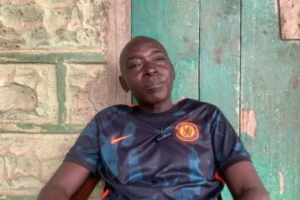
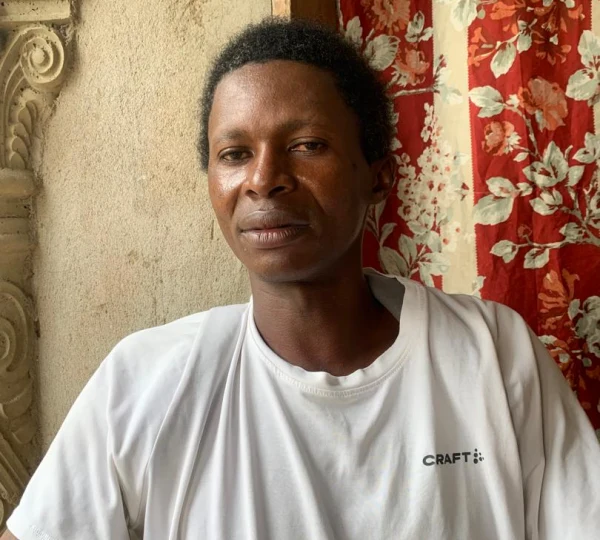
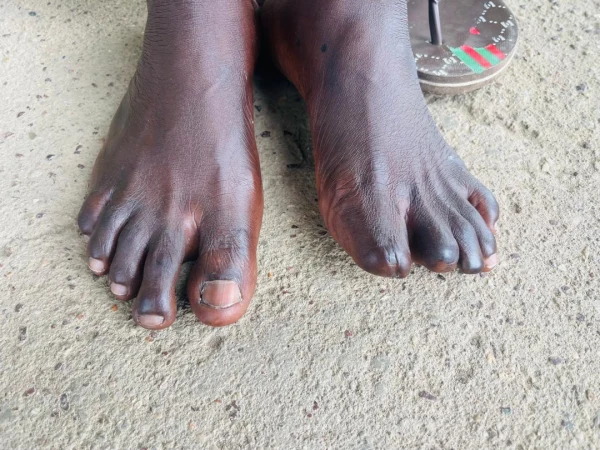
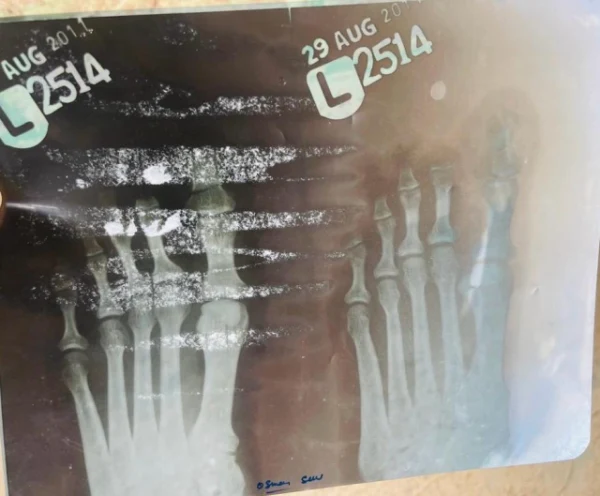
One of them is Osman Bucklin Shaw, an assistant project manager who dedicated 21 years of his life to the company. In 2010, a workplace accident cost him several toes. He says he received no insurance or compensation. Forced by financial hardship to return to work, he described the experience as “punishment”.
“Working for Koidu Holdings was suffering. We had to protest just to be treated like humans,” Shaw recalled.
Despite contracts outlining eight-hour shifts and salaries pegged to dollar exchange rates, workers say these terms were consistently ignored.
Today, Osman is unemployed and struggling to pay school fees for his children. His injuries prevent him from wearing safety boots for extended periods, effectively barring him from most forms of physical labour.
“I am at home now with no hope, no job, and no benefit paid to start a business,” he said.
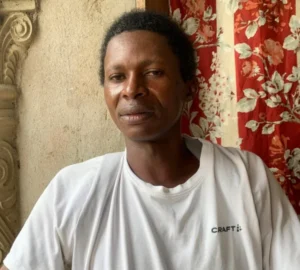
Sahr Opel Sumana, a former drifting assistant with 14 years of service, is now permanently disabled after a severe workplace accident. A life-saving surgery in Ghana was funded by Koidu Holdings with support from his union and family. However, upon his return, he says the company gave him just 12,000 new leones, an amount he described as insignificant compared to his medical costs and accumulated debts.
“If I had known that was my compensation, I wouldn’t have accepted it,” Sumana said.
He was later reassigned as an underground entry officer, where he says he was again subjected to poor working conditions without adequate safety protocols. Since his layoff, he says life has become unbearable.
“Even feeding my wife and kids is a problem. Sometimes I ask my wife to take the kids away because I don’t want them to see me cry in pain,” he said.
Grace Finda Vincent, Public Relations Officer of the Aggrieved Wives Association, voiced frustration with what she described as the company’s disregard for workers’ families. Through tears, she recalled the death of a paralysed scanner operator who was laid off without support.
“Some of us have become widows; others are leaving their husbands because of hardship,” she said. “All we ever asked for was fair treatment and humane working conditions.”
The women are now demanding full compensation for injured and deceased husbands, as well as payment of all outstanding benefits.
Charles Kenesie, President of the Koidu Workers Union, said many of the problems stem from a flawed agreement signed by previous union leadership in 2016, an agreement he said was never disclosed to workers at the time.
Even after interventions by the Minister of Labour, the police, and Sierra Leone’s First Lady, Dr Fatima Bio, Kenesie said the company has remained defiant.
“They behave like a republic within the republic,” he said. “They told us that since they pay their taxes and above the minimum wage, the government cannot tell them what to do.”
Following peaceful protests, the company suspended operations under what it described as “care and maintenance”, removed heavy machinery from the site, and laid off staff without pay or compensation, according to union officials.
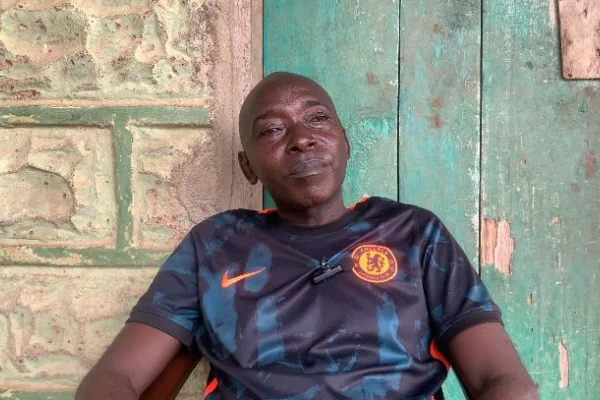
Minister of Labour and Social Security Mohamed Rahman Swaray confirmed that under Section 25 of the Employment Act, 2023, all employers are required to maintain an end-of-service or gratuity benefits account.
“Had Koidu Holdings complied with this requirement, funds would have been available to pay the workers,” the minister said.
He also condemned the company’s failure to report workplace accidents and injuries, a requirement under existing labour laws, and said the government is working to update outdated safety legislation and improve worker education on labour rights.
Civil society activist Brima Kanu described growing despair across Kono District, noting that the mine’s closure has affected not only workers but also local businesses and informal livelihoods.
“This wasn’t what we expected. We are now seeing the ripple effects across the region,” he said.
Legal expert Emmanuel Michael Tommy Gbondo Esq. said many mining agreements in Sierra Leone suffer from weak transparency and limited public consultation, calling for stronger national ownership and governance of mineral resources.
“Foreign investors are here for profit, not to solve our social problems. Until we manage our own resources, we will remain dependent on companies like Koidu Holdings,” he said.
Koidu Holdings has defended the mass layoffs, claiming they were triggered by what it described as an “unlawful act” by workers that allegedly cost the company millions of dollars. The company has not publicly detailed the nature of the alleged acts.
According to the Koidu Workers Union, at least 12 worker deaths have been recorded since the layoffs. Union leaders describe the situation as a humanitarian crisis marked by broken families, permanent disabilities, and rising unemployment.
As the dispute drags on, dismissed workers and their families say they are still waiting for severance pay, medical support, and justice.
This investigation was supported by BBC Media Action and funded by Deutsche Gesellschaft für Internationale Zusammenarbeit (GIZ) GmbH on behalf of the German Federal Ministry of Economic Cooperation and Development (BMZ), and co-funded by the European Union (EU).

