



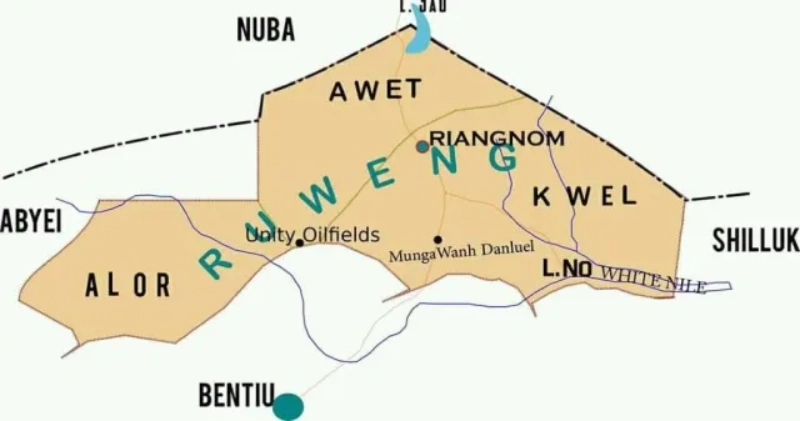
The silence of Abiemnom County was shattered at 4:30 a.m. on Sunday, 1 March, not by the seasonal winds of the Ruweng Administrative Area, but by the relentless rhythm of automatic gunfire. For the families sleeping in the county headquarters and surrounding settlements, there was no warning. By the time the sun rose over northern South Sudan, the scale of the devastation Abiemnom massacre was clear: a coordinated, multi-pronged assault had turned a quiet morning into a scene of absolute carnage.
Survivors describe a hellish few hours where homes were torched with families still inside. Security forces, caught off guard, attempted to mount a defence under heavy fire, but the attackers moved with a level of tactical precision that suggests this was no mere cattle raid.
The Heavy Price of a Sunday Morning
The numbers currently being circulated by local authorities are staggering. At least 169 people are confirmed dead. Among them are 90 civilians, many of whom were women, children, and elderly residents unable to outrun the flames or the bullets. The local security apparatus also took a massive hit, with 79 personnel from the South Sudan People’s Defence Forces (SSPDF) and local police killed in the line of duty.
The tragedy extends beyond the morgues. At least 68 survivors are fighting for their lives, some having been moved across the border to the Abyei region. In Abiemnom itself, the local economy has been wiped out; markets and trading stalls, the literal lifeline for hundreds of households are now nothing more than charred timber and ash.
A Targeted Political Decapitation
This was not a random act of violence. The attackers knew exactly who they were looking for. Among the dead are two of the region’s most vital administrators: Paulino Wal Monychikat, the County Commissioner of Awarpiny, and Mawien Majith, the Executive Director of Abiemnom County.
By killing the very people responsible for maintaining order, the perpetrators have effectively decapitated the local government. In a region already balancing on a knife-edge, this loss of leadership creates a vacuum that “armed youth” and rogue militias are all too eager to fill.
The Shadow of Juba
While local officials in Ruweng have been quick to point the finger at “armed youth” from neighbouring Unity State, the roots of this massacre are buried deep in the halls of power in Juba. This violence is the grim byproduct of the collapsed relationship between President Salva Kiir and Riek Machar.
Ever since Machar’s arrest in early 2025, the 2018 Revitalized Peace Agreement has been a dead letter. The trust is gone. Information Minister James Monyluak has officially blamed elements linked to the SPLA-IO opposition, but the opposition has fired back, accusing the government of using this tragedy as a “bloody excuse” to ramp up military deployments ahead of the 2026 elections.
The Ruweng administration hasn’t minced words, describing the systematic burning of homes as an act of genocide.
A Nation on the Brink
As of this morning, 3 March 2026, more than 1,000 terrified civilians are huddled inside the UNMISS base in Abiemnom. They are sleeping on dirt floors with almost no supplies, too afraid to return to what is left of their villages.
The UN Commission on Human Rights issued a chilling warning today: South Sudan is staring down the barrel of a renewed, widespread civil war. With Médecins Sans Frontières already suspending services in parts of Jonglei due to insecurity, the humanitarian safety net is tearing.
The government has declared three days of mourning, but for the families burying their loved ones in the red dust of Ruweng, a flag at half-mast offers little comfort. The question isn’t whether Juba will investigate, it’s whether the African Union and the international community can step in before these local fires merge into a national conflagration.

